
 中文简体
中文简体 Español
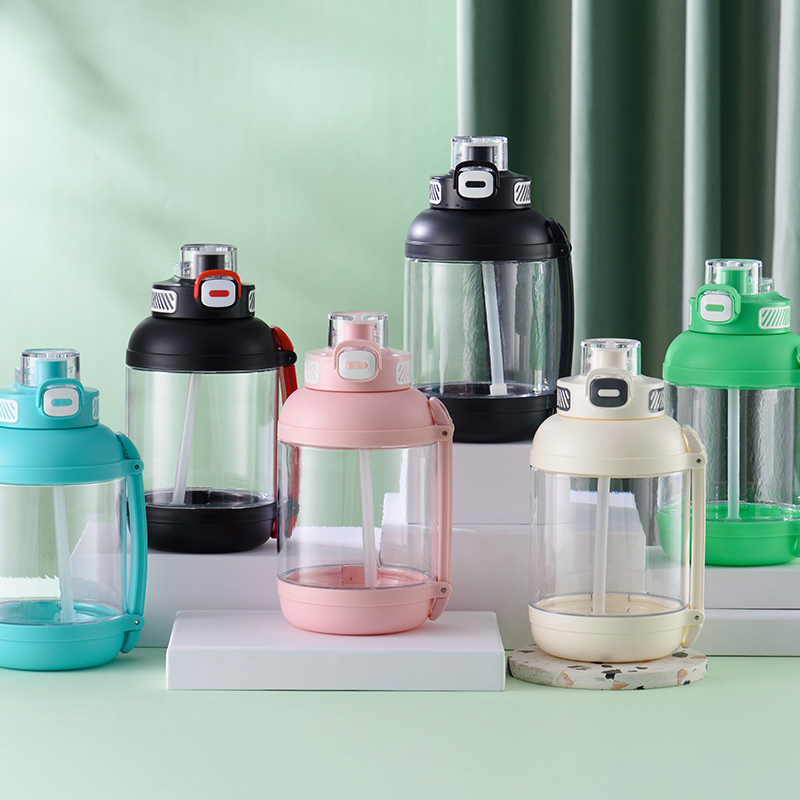
Modern reusable drinkware has become a daily essential, especially products like a Tritan Water Bottle and various Plastic Cups used at home, in offices, and during travel. Even though Tritan materials are designed for durability and clarity, users still report lingering smells or visible stains over time. Our company has studied these issues through long-term product use and feedback from hydration products similar to those featured on yinuocup.com, and the causes are usually more technical than they appear.
1. Material properties of Tritan and plastic structures
Tritan is a copolyester engineered for high transparency and chemical stability. Its molecular structure is non-BPA and relatively low in porosity, meaning it does not absorb odors as easily as traditional plastics. However, no polymer is completely immune to repeated use.
- Surface hardness: around Shore D 80–85
- Heat resistance: typically up to ~90–100°C
- Low odor absorption compared with PP or PE plastics
- High clarity retention under normal conditions
Despite these advantages, microscopic wear from repeated washing or brushing can create micro-abrasions that trap residues.
A common misconception is that Tritan behaves like glass. In reality, it is still a polymer and interacts with organic compounds over time.
2. Beverage residue accumulation inside containers
Odor and staining issues are rarely caused by water alone. Most cases originate from drink residues.
Typical sources include:
- Coffee oils and tannins
- Tea polyphenols
- Juice pigments (especially citrus and berry-based drinks)
- Protein or milk-based beverages
- Electrolyte powders used in sports hydration
These residues bond weakly with plastic surfaces but can accumulate layer by layer.
In everyday Plastic Cups, repeated short rinses often fail to remove these microscopic layers, which later oxidize and produce sour or stale odors.
3. Biofilm formation inside reusable bottles
A major technical cause is microbial biofilm.
Studies on reusable containers show that bacteria from saliva and air rapidly attach to moist surfaces and form a protective layer. Once formed, this biofilm becomes resistant to simple rinsing.
Key characteristics:
- Forms within 24–48 hours in warm, moist environments
- Concentrates in lid threads, silicone seals, and straws
- Produces persistent musty or sour smell
- Requires mechanical scrubbing for removal
Even high-quality Tritan structures cannot prevent biofilm formation if cleaning routines are inconsistent.
4. Pigment absorption and surface micro-staining
Although Tritan has low absorption rates, certain pigments can still leave visible marks.
Common staining agents:
- Turmeric and spice extracts
- Strongly colored teas
- Artificial food dyes
- Fruit concentrates
Technical explanation:
- Pigment molecules bind to microscopic surface irregularities
- Heat exposure accelerates bonding
- Prolonged storage increases stain intensity
In many cases, stains are superficial and do not affect safety, but they influence product appearance and perceived cleanliness.
5. Heat exposure and chemical interaction effects
Repeated exposure to high temperatures can slightly alter polymer behavior.
Potential effects include:
- Softening of microstructure at high dishwasher temperatures
- Expansion of microscopic pores
- Increased retention of flavor compounds
- Acceleration of aging in silicone seals
Research shows Tritan can tolerate dishwasher cycles, but long-term heat cycling may reduce surface smoothness, increasing the likelihood of odor retention over time.
6. Lid systems and silicone components as hidden sources
In many reusable bottles, the container body is not the main problem.
Critical components include:
- Silicone gaskets
- Straw channels
- Flip-cap mechanisms
- Threaded sealing areas
These parts are more porous than Tritan itself and often trap odor-causing residues.
Industry observations confirm that up to 70% of odor complaints originate from lid assemblies rather than the bottle body.
7. Cleaning limitations in daily use
Standard rinsing is often insufficient.
Common user habits contributing to odor issues:
- Quick rinse without disassembly
- Leaving liquid overnight
- Incomplete drying after washing
- Infrequent deep cleaning cycles
Effective maintenance requires separation of components and full drying, otherwise trapped moisture supports microbial growth.
8. Engineering and product design considerations
From a manufacturing perspective, several improvements reduce odor retention risk:
- Wider bottle openings for easier brushing
- Detachable lid systems for full cleaning access
- Food-grade silicone with lower absorption rates
- Smooth interior molding to reduce micro-crevices
- Dishwasher-safe structural reinforcement
Our company applies these principles in production to improve hygiene performance and long-term usability of reusable drinkware.
9. Practical maintenance recommendations
Based on industry testing and user feedback, the following practices are effective:
- Daily rinse immediately after use
- Weekly deep cleaning using warm water and mild detergent
- Separate all lid components during cleaning
- Air dry completely before storage
- Avoid long-term storage of flavored beverages
Occasional use of mild vinegar solution can help remove embedded residues without damaging Tritan structure.