
 中文简体
中文简体 Español
Hydration habits today are shaped not only by convenience but also by material science. As a manufacturer focusing on drinkware solutions, we often compare Tritan Water Bottle designs with traditional stainless steel systems to help users make practical choices for everyday use. At the same time, Plastic Cups remain widely used in households and offices, making material performance even more relevant in daily hydration behavior.
1. Material Safety Structure Differences
Tritan and stainless steel belong to completely different material categories.
- Tritan copolyester is a BPA-free engineered plastic developed for clarity and impact resistance
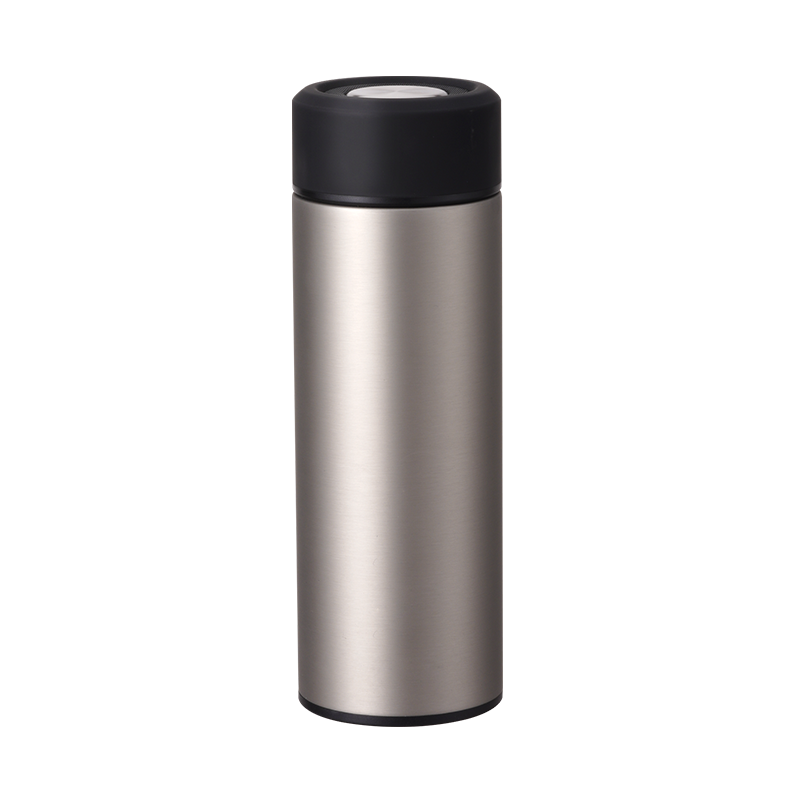
- Stainless steel (typically 304 or 316 grade) is a metal alloy with passive corrosion resistance
Key technical comparison:
- Tritan density: ~1.2 g/cm³, lightweight design advantage
- Stainless steel density: ~7.9 g/cm³, significantly heavier but more rigid
- Heat resistance: Tritan up to ~100°C dishwasher-safe range; stainless steel far higher tolerance
- Chemical stability: stainless steel is inert; Tritan is a chemically stable polymer with no bisphenols
Studies show both materials are considered food-safe under certification standards, but their long-term behavior differs under heat and UV exposure stress conditions .
2. Daily Hydration Experience: Practical Use Factors
From production testing and user feedback, hydration experience is influenced more by usability than raw material properties.
- Tritan Water Bottle advantages:
- Transparent body helps monitor water intake visually
- Lightweight structure reduces carrying fatigue
- Suitable for gym, office, and school environments
- Dishwasher-safe design simplifies cleaning cycles
- Stainless steel advantages:
- Maintains water temperature for long hours (insulated versions)
- Strong resistance to physical deformation
- Better performance in outdoor or hot environments
- Longer lifespan under heavy use conditions
A key limitation of Tritan is temperature retention. Unlike insulated stainless steel bottles, it does not maintain cold or hot water for extended durations .
3. Hygiene and Cleaning Efficiency
Cleaning performance is a major factor in daily hydration safety.
- Tritan:
- Smooth internal surface reduces odor absorption
- Compatible with dishwasher cleaning cycles
- Easier visibility helps detect residue buildup
- Stainless steel:
- Naturally resistant to bacterial growth
- Requires more effort for deep internal cleaning
- Vacuum-insulated versions are usually hand-washed only
Our company designs bottle structures that prioritize wide-mouth openings and simplified internal geometry, improving hygiene maintenance for both material types.
4. Impact Resistance and Durability
Mechanical durability is where both materials show clear differences.
- Tritan:
- High impact resistance for accidental drops
- May develop micro-scratches over long-term use
- Lightweight structure reduces breakage risk in transport
- Stainless steel:
- Extremely strong against external force
- Resistant to cracking or deformation
- Maintains structural integrity over years of use
Industry comparisons confirm stainless steel generally lasts longer under harsh usage conditions, while Tritan performs well in moderate daily environments .
5. Environmental and Lifestyle Considerations
Sustainability is increasingly part of hydration product selection.
- Tritan:
- Reusable and recyclable under specific processing systems
- Lower production energy compared to metal refining
- Often used in lightweight consumer drinkware
- Stainless steel:
- Extremely long lifecycle reduces replacement frequency
- Fully recyclable with minimal quality loss
- Higher initial production energy but offset by longevity
Our company observes that long-term environmental impact depends more on product lifespan than raw material type.
6. Application Scenarios from Manufacturing Perspective
Based on usage segmentation:
- Tritan Water Bottle is more suitable for:
- Office desk hydration
- School and commuting
- Fitness and short-duration travel
- Users prioritizing weight reduction
- Stainless steel is more suitable for:
- Outdoor sports and hiking
- High-temperature environments
- Users needing thermal insulation
- Long-duration travel conditions
Plastic Cups used in domestic environments often follow similar logic: convenience and cost efficiency dominate, but durability and thermal stability are limited compared to metal alternatives.
7. Manufacturing Insight from Our Company
Our company continuously evaluates both material systems in production lines similar to those seen in yinuocup.com product structures.
Key engineering focus areas include:
- Wall thickness optimization for Tritan molding stability
- Sealing system compatibility for leak-proof performance
- Food-grade certification compliance (BPA-free standards)
- Surface polishing for stainless steel anti-corrosion layers
We also test repeated fill-and-clean cycles to simulate real consumer hydration behavior over extended periods.