
 中文简体
中文简体 Español
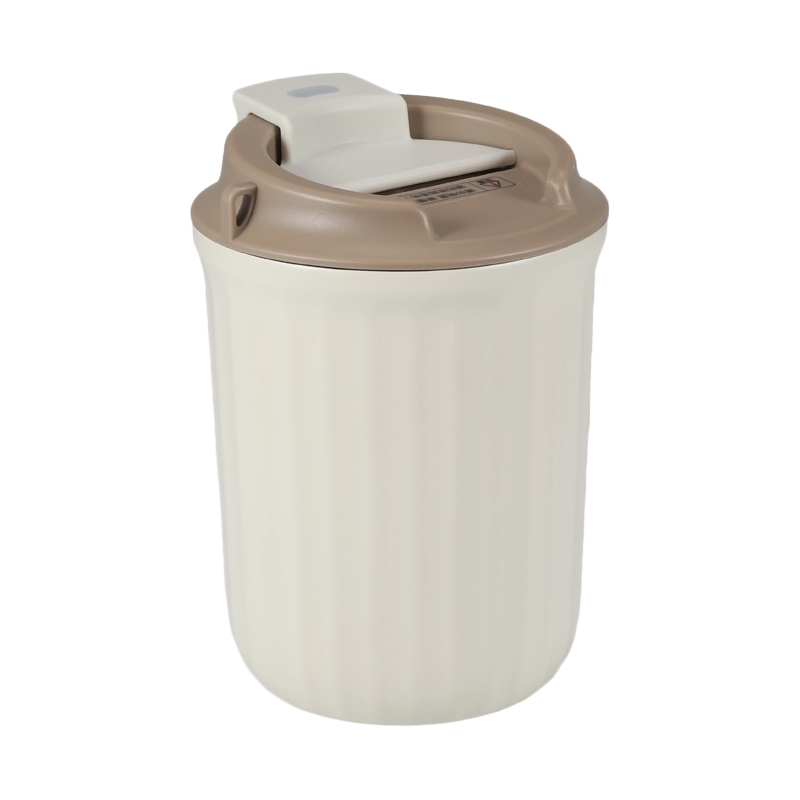
In daily commuting and travel routines, drinkware products are expected to provide stable performance in different movement conditions. Within this background, Travel Mug Manufacturer and Insulated Coffee Mug Manufacturer categories continue to refine product structures to better match user behavior in real-life usage environments.
Leak resistance has become one of the key functional requirements. Users often carry mugs in bags, place them in vehicles, or use them while walking, which creates higher expectations for sealing reliability and structural stability. As a result, product design has gradually shifted toward improving usability and reducing accidental leakage risks during everyday activities.
Development of Leakproof Lid Structures
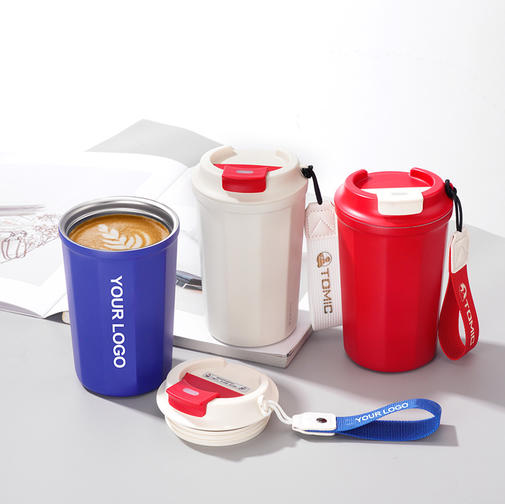
The lid system is a central part of leakproof performance. Different structural designs are used to support various usage preferences, including rotating lids, press-to-open systems, and locking mechanisms.
Rotating lids are commonly designed for controlled opening and closing, allowing users to regulate liquid flow. Press-type lids support quick one-hand operation, which is useful in commuting or multitasking environments. Locking structures add additional stability during movement, helping maintain closed conditions when the product is stored or transported.
Silicone sealing rings are widely applied to improve the tightness between components. These parts are selected for flexibility and long-term deformation resistance. Engineering adjustments are also made to improve the fit between the lid and the cup body, helping reduce gaps that may affect sealing performance.
Usability in Everyday Scenarios
Ease of use plays an important role in travel mug design. Many users interact with the product in situations where full attention is not available, such as driving or walking. This makes simple operation a key requirement.
One-handed operation is often considered in product development to improve convenience. A smoother opening and closing process allows users to drink without interrupting daily activities.
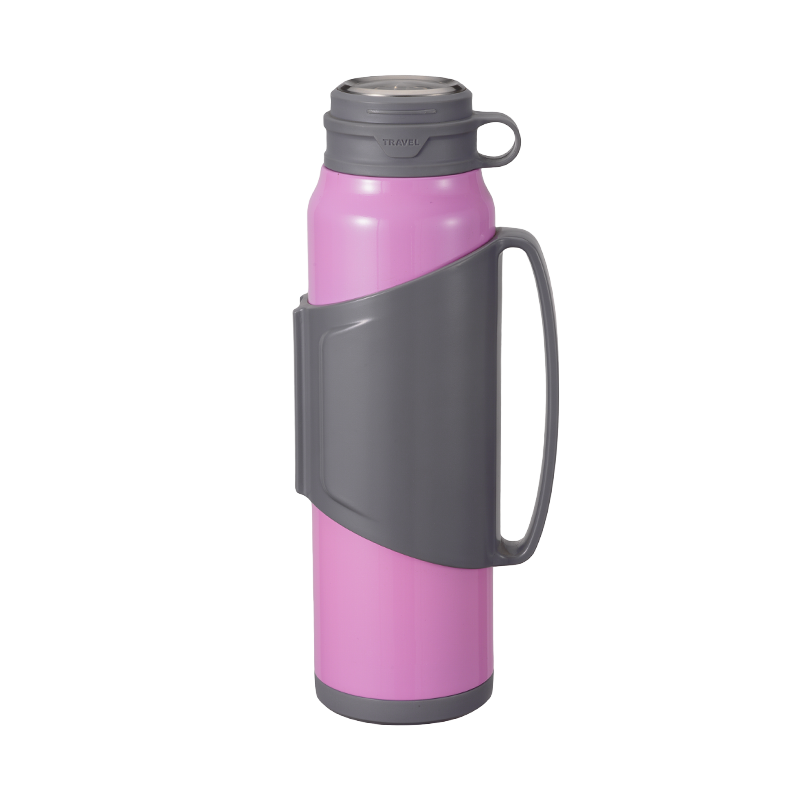
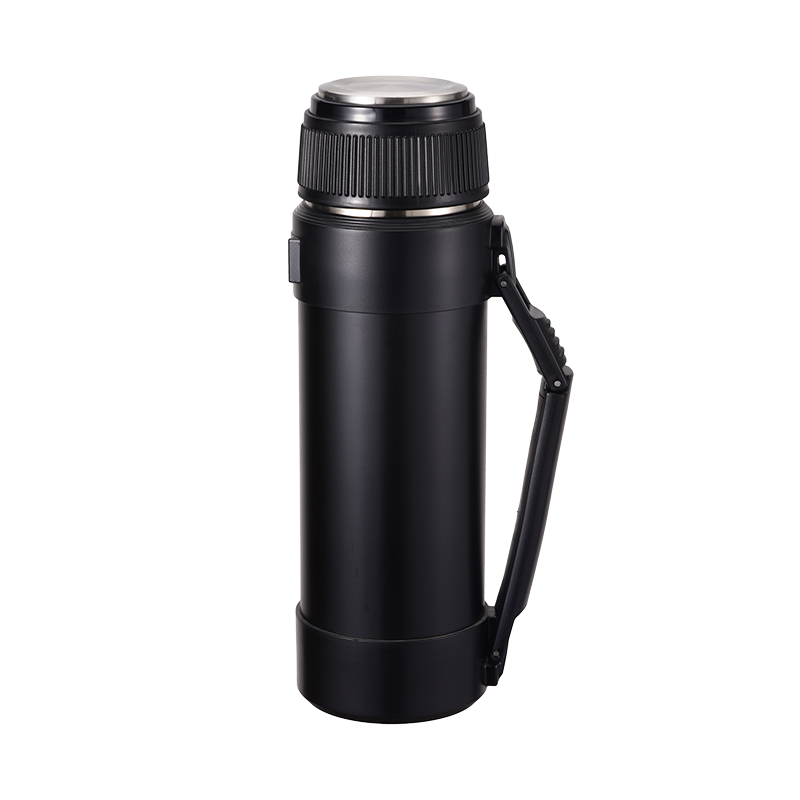
Comfort in holding and carrying the mug is also considered. Balanced structure and appropriate weight distribution help reduce fatigue during extended use. Compatibility with common cup holders in vehicles is another factor that influences design direction.
Material Selection and Functional Stability
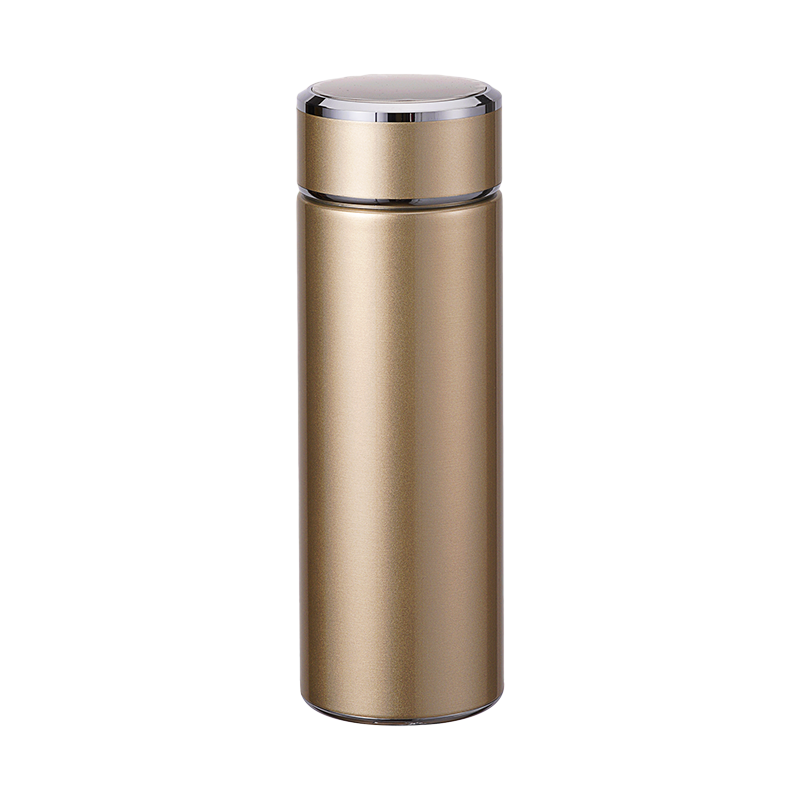
Material choice directly affects both safety and durability. Stainless steel is commonly used for insulated mugs due to its resistance to corrosion and suitability for beverage contact. The internal surface must remain stable during repeated use and cleaning.
Thermal insulation performance is influenced by the vacuum structure between the inner and outer layers. This design helps reduce heat transfer and supports temperature retention for both hot and cold beverages.
Surface finishing and polishing processes are also applied to improve cleanliness and reduce residue buildup. These processes contribute to maintaining a stable user experience over time.
Usage Environments and Market Applications
Travel mugs are used across different environments, including office settings, commuting routes, and outdoor activities. Office users typically focus on daily beverage convenience, while commuters prioritize spill control during movement. Outdoor users require stable performance under changing conditions.
Beyond personal use, travel mugs are also applied in promotional programs and corporate gift projects. Their practical nature allows them to be integrated into daily life scenarios, making them suitable for repeated exposure in different environments.
Development Direction in Manufacturing Focus
In production development, both Travel Mug Manufacturer and Insulated Coffee Mug Manufacturer segments continue to refine design structures based on usage feedback. Key focus areas include sealing performance, operational convenience, and material consistency.
Engineering adjustments are often guided by real usage behavior, including movement conditions, handling habits, and storage environments. These considerations help guide ongoing improvements in product structure and functionality.
As demand for practical drinkware continues to evolve, development efforts remain centered on usability, structural stability, and adaptability across different usage scenarios.