
 中文简体
中文简体 Español
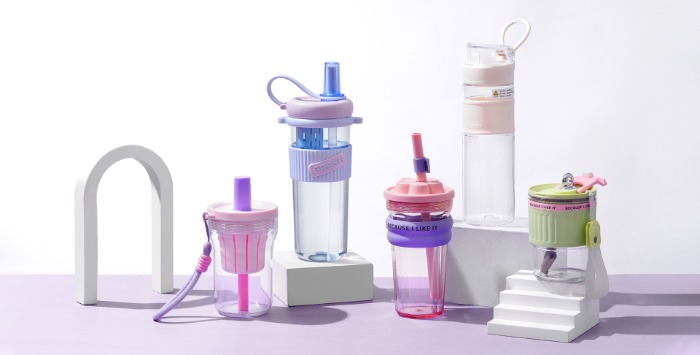
The popularity of reusable drinkware such as a Tritan Water Bottle and everyday Plastic Cups has increased as consumers shift toward lightweight, shatter-resistant alternatives to glass. Many products now carry a “BPA-free” label, which creates an impression of absolute safety. However, questions remain about what that label really guarantees and whether modern materials like Tritan are as harmless as they appear.
Our company, working in the reusable drinkware manufacturing field, has studied material performance and food-contact safety standards closely.
1. What Tritan Material Actually Is
- Tritan is a copolyester developed for food-contact applications.
- It is designed as an alternative to polycarbonate plastics that historically contained BPA.
- According to material safety documentation, Tritan is free from BPA, BPS, and other bisphenol compounds .
- It is widely used in water bottles, food containers, and reusable drinkware due to its clarity and impact resistance.
From a manufacturing perspective, Tritan is not simply “BPA-free plastic”—it is a different polymer structure engineered to avoid bisphenol-based chemistry entirely.
2. BPA-Free Does Not Always Mean Chemical-Free
- “BPA-free” only indicates the absence of bisphenol A.
- Some plastics replace BPA with similar compounds, but Tritan is designed without bisphenols altogether.
- Independent testing reports show no estrogenic or androgenic activity under standard use conditions.
Important technical note:
- Safety evaluations focus not only on ingredient composition but also on leaching behavior under heat, UV exposure, and repeated washing cycles.
- High-quality Tritan performs better in these tests compared to older plastic categories.
3. Heat Resistance and Daily Use Performance
- Tritan is typically rated for dishwasher use in upper racks.
- It can tolerate moderate hot water exposure, commonly used in beverage applications.
- Recommended service temperature range is usually below 100°C to maintain long-term stability.
- Repeated exposure to heat or UV light may gradually affect surface clarity over time.
From production experience, durability depends heavily on molding quality and additive control, not just raw material selection.
4. Safety Certifications and Testing Standards
Reputable Tritan-based materials often comply with:
- FDA food-contact regulations (U.S.)
- NSF standards for food equipment materials
- EU food safety requirements
Laboratory evaluations commonly include:
- Chemical migration tests
- Hormone-activity screening (EA/AA testing)
- Long-term dishwasher simulation cycles
These tests are designed to simulate real-world use of reusable bottles and household drinkware.
5. Tritan vs Traditional Plastic Cups
When comparing Plastic Cups made from various materials:
- Traditional polycarbonate: historically contained BPA concerns.
- Polypropylene (PP): widely used, good chemical resistance but less clarity.
- Tritan: combines clarity + impact resistance + bisphenol-free structure.
Key engineering advantage:
- Tritan maintains transparency similar to glass while resisting cracking under impact.
6. Potential Misunderstandings in the Market
- Some consumers assume all BPA-free plastics are identical in safety profile.
- Market labeling can sometimes oversimplify material differences.
- Not all “safe” claims reflect identical testing depth across manufacturers.
- Long-term micro-scratch accumulation may affect any plastic drinkware regardless of material type.
Our company emphasizes that safety is not a single-label concept but a combination of:
- Resin quality
- Injection molding precision
- Quality control in production
- Usage environment
7. Practical Usage Recommendations
Based on industry production experience:
- Avoid prolonged exposure to direct sunlight.
- Clean using mild detergents instead of abrasive brushes.
- Replace bottles showing deep scratches or clouding.
- Do not exceed recommended temperature limits repeatedly.
- Store dry to reduce odor retention or microbial growth risk.
These practices help maintain both safety and product lifespan.
8. Our Manufacturing Perspective
Our company follows strict quality control standards in reusable drinkware production. Material selection is only the initial step. We also focus on:
- Food-grade raw material sourcing verification
- Injection molding temperature stability control
- Surface finishing inspection to reduce micro-defects
- Batch testing for odor, clarity, and migration performance
We believe consumer trust depends not only on marketing claims but also on measurable production consistency.