
 中文简体
中文简体 Español
Daily usability often matters just as much as insulation performance. Many users focus on heat retention at the time of purchase, yet long-term satisfaction frequently depends on how easy the product is to maintain. A Thermal Drinking Flask is used repeatedly throughout the day, which means cleaning becomes part of the routine. The same applies to a Travel Vacuum Flask, especially for people who switch between coffee, tea, and other beverages.
Questions about cleaning difficulty usually appear after weeks or months of use, once residue, odor, or stains begin to build up.
Why Cleaning Matters More Than Expected
Hygiene plays a direct role in user experience. Residue left inside a flask can affect both taste and safety over time. Unlike open cups, vacuum flasks have narrow openings and complex lid structures, which makes cleaning slightly more demanding.
The design that helps retain heat—double walls, sealed lids, and narrow necks—also creates areas that are harder to reach. At the same time, the sealed environment slows airflow, meaning moisture can remain inside longer.
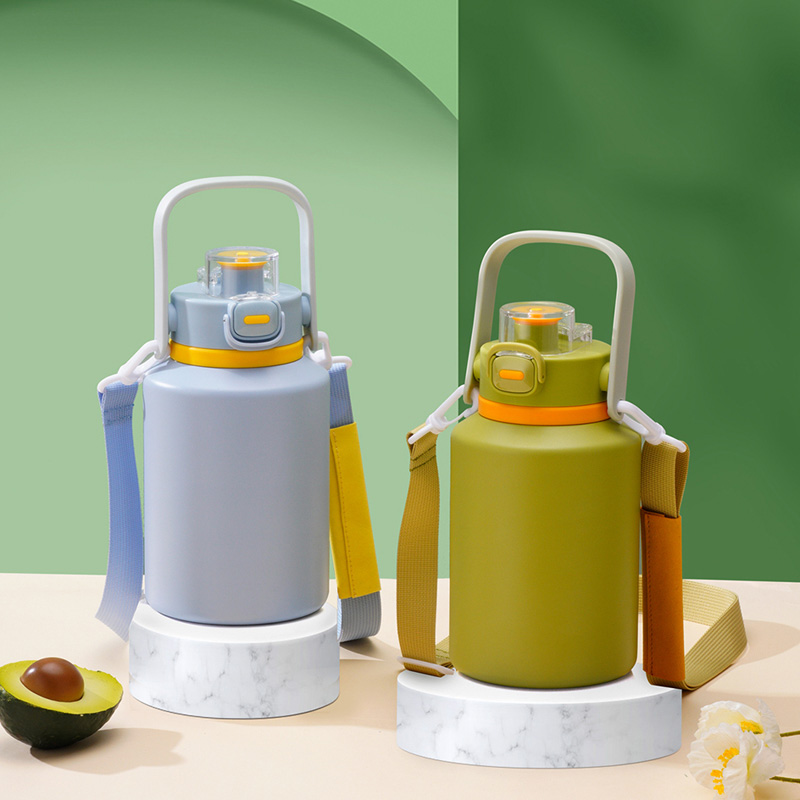
Common Cleaning Challenges Reported by Users
Several recurring concerns highlight why cleaning becomes an issue:
1. Narrow Opening Design
A slim mouth improves insulation by reducing heat loss, yet it limits access for cleaning tools. Users often find it difficult to reach the bottom or corners.
2. Lid Structure Complexity
Modern lids may include multiple components:
Silicone sealing rings
Threaded caps
Internal channels
These parts can trap liquid residue, especially from coffee or milk-based drinks.
3. Odor Retention
Strong beverages such as coffee or juice can leave lingering smells. Even stainless steel, known for its neutrality, may retain odors if not cleaned promptly.
4. Staining Over Time
Tea and coffee can leave visible marks on inner surfaces. While these stains may not always affect safety, they can influence user perception.
How Flask Design Affects Cleaning Ease
Cleaning difficulty is closely linked to structural design. From a manufacturing standpoint, several features influence usability:
Inner surface finish: Smooth, polished interiors reduce residue adhesion
Wide-mouth options: Easier access for cleaning tools
Removable lid components: Allow thorough washing
Material quality: Reduces odor absorption and staining
A well-designed Travel Vacuum Flask balances insulation performance with accessibility.
Basic Cleaning Methods for Daily Use
Simple cleaning routines can significantly improve hygiene:
Rinse immediately after use to prevent buildup
Use warm water and mild detergent
Clean lids separately to remove trapped residue
Allow the flask to dry completely before closing
These steps help maintain both cleanliness and long-term performance.
Deep Cleaning for Persistent Residue
Occasionally, standard rinsing is not enough. Users often turn to deeper cleaning methods:
Baking soda solution to remove odors
Vinegar mixtures to break down mineral deposits
Bottle brushes for hard-to-reach areas
These approaches address issues that develop over extended use.
The Role of Materials in Cleaning
Material selection directly affects how easy a flask is to clean.
Stainless steel resists corrosion and does not easily retain flavors
Plastic components may absorb odors if exposed to strong liquids
Silicone seals require regular cleaning to prevent buildup
Manufacturers such as Zhejiang Eno Housewares Co., Ltd. pay attention to inner surface treatment and material compatibility to reduce maintenance effort for users.
Connection Between Cleaning and Performance
A less obvious factor is how cleaning impacts insulation efficiency.
Residue buildup around the lid or sealing ring can weaken the airtight seal, allowing more heat to escape. Since a significant portion of heat transfer occurs through the opening, maintaining a clean seal is essential for consistent performance.
Additionally, damaged or worn seals may reduce insulation over time.
User Habits That Influence Cleaning Effort
Daily habits often determine whether cleaning feels easy or difficult:
Immediate rinsing reduces long-term buildup
Alternating between different beverages increases cleaning frequency
Leaving liquids inside for extended periods makes residue harder to remove
Small changes in routine can make a noticeable difference.
Balancing Convenience and Functionality
A trade-off often exists between insulation efficiency and ease of cleaning. Narrow openings and tight seals improve heat retention, yet they also make cleaning more complex.
Manufacturers continue to explore design improvements, such as:
Modular lid systems
Wider openings with improved sealing
Advanced surface coatings
These innovations aim to improve user convenience without compromising insulation.