
 中文简体
中文简体 Español
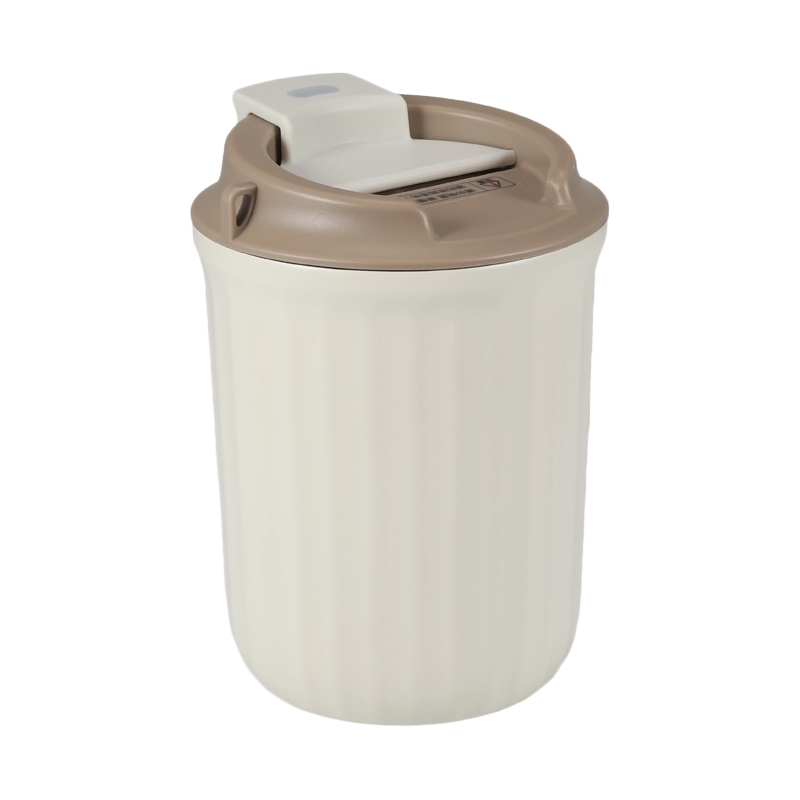
Leakproof performance has become an important factor in insulated drinkware design. Users often carry mugs in bags, place them in vehicles, or use them during movement, which increases expectations for stable sealing. In this context, Travel Mug Manufacturer and Insulated Coffee Mug Manufacturer categories continue to refine lid structures to improve reliability in everyday use.
The lid is not only a closing component but also a key interface between usability and safety. Small structural differences can influence how the product performs in different real-life conditions.
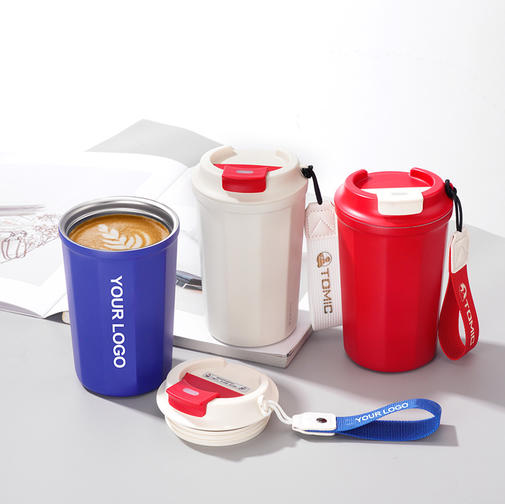
Structural Optimization of Lid Systems
Lid structures are designed in different forms depending on usage behavior. Common designs include rotating lids, press-to-open systems, and locking lids.
Rotating lids support controlled opening and closing, helping users manage liquid flow more carefully. Press-to-open systems are often designed for quick operation, allowing users to drink while multitasking. Locking lids add a layer of stability during transportation, helping reduce movement-related leakage.
Each structure is evaluated based on how it performs in daily handling scenarios rather than only on mechanical design.
Sealing Components and Silicone Applications
Silicone sealing rings are widely used to improve lid tightness. These components help create a stable connection between the lid and the cup body, reducing gaps that may to liquid leakage.
Material flexibility is an important factor in sealing performance. Silicone parts are selected for their ability to maintain shape under repeated use and temperature changes.
During development, sealing structures are tested in combination with different lid designs to ensure compatibility and stable performance across product variations.
User Behavior and Functional Design Considerations
Leakproof design is closely related to user behavior in real-life conditions. Many users operate drinkware in situations where attention is divided, such as driving, walking, or working.
One-handed operation is often considered in lid development to support convenience. Simple opening and closing actions help reduce interruptions during use.
In addition, stability during movement is an important factor. Products are designed to reduce the possibility of accidental opening when placed in bags or vehicles.
Testing and Validation Processes
Leakproof performance is evaluated through multiple testing methods. These may include inverted placement tests, movement simulations, and pressure-based sealing checks.
Inverted tests help evaluate whether liquid leakage occurs when the mug is turned upside down. Movement simulations reflect real-world conditions such as shaking during transport. Pressure checks assess the strength of the sealing between components.
These tests are applied across different lid designs to ensure consistent performance before production release.
Design Development and Structural Adjustments
Lid development often involves repeated adjustments in structure and component fitting. Engineers focus on improving the alignment between lid edges and cup rims to reduce potential leakage paths.
Locking mechanisms are also refined to improve stability during closed conditions. Small adjustments in locking force or positioning can influence overall usability and sealing behavior.
At the same time, design teams aim to balance sealing performance with ease of operation, ensuring that lids remain practical for daily use.
Application in Different Usage Scenarios
Leakproof mugs are used in various environments, including commuting, office work, travel, and outdoor activities. Each scenario presents different requirements for sealing performance and usability.
In commuting situations, stability during movement is a key concern. In office environments, ease of drinking and refilling is more important. For travel use, long-term sealing reliability becomes a central factor.
These different needs influence how lid systems are designed and tested during development.
Manufacturing Focus on Lid System Improvement
Within production development, both Travel Mug Manufacturer and Insulated Coffee Mug Manufacturer operations continue to refine lid structures based on user feedback and usage conditions.
Attention is given to improving sealing consistency, enhancing structural alignment, and ensuring compatibility with different cup bodies. These adjustments support stable performance across multiple product designs.
As usage scenarios continue to expand, lid system development remains an important part of drinkware innovation, supporting practical and reliable daily use experiences.