
 中文简体
中文简体 Español
Storing more than just water or tea has become increasingly common, especially for users who rely on portable drinkware throughout the day. Questions often arise about whether beverages like milk or juice are suitable for long-term storage inside a Thermal Drinking Flask. A Travel Vacuum Flask is designed to maintain temperature, yet not all liquids behave the same under insulated conditions.
Concerns about freshness, hygiene, and material interaction frequently appear among users. Understanding these aspects helps clarify what is practical and what may require caution.
Different Beverages, Different Challenges
Not all liquids respond equally to heat retention environments. While hot water or tea remains relatively stable, milk and juice introduce additional variables.
Milk contains proteins and fats that can spoil under certain conditions. Juice, especially fresh juice, often includes natural sugars and acids that may react differently inside a sealed container.
A vacuum flask slows temperature change by limiting heat transfer through conduction, convection, and radiation.
However, slowing temperature change does not stop bacterial growth entirely. The internal environment still depends on initial temperature and time.
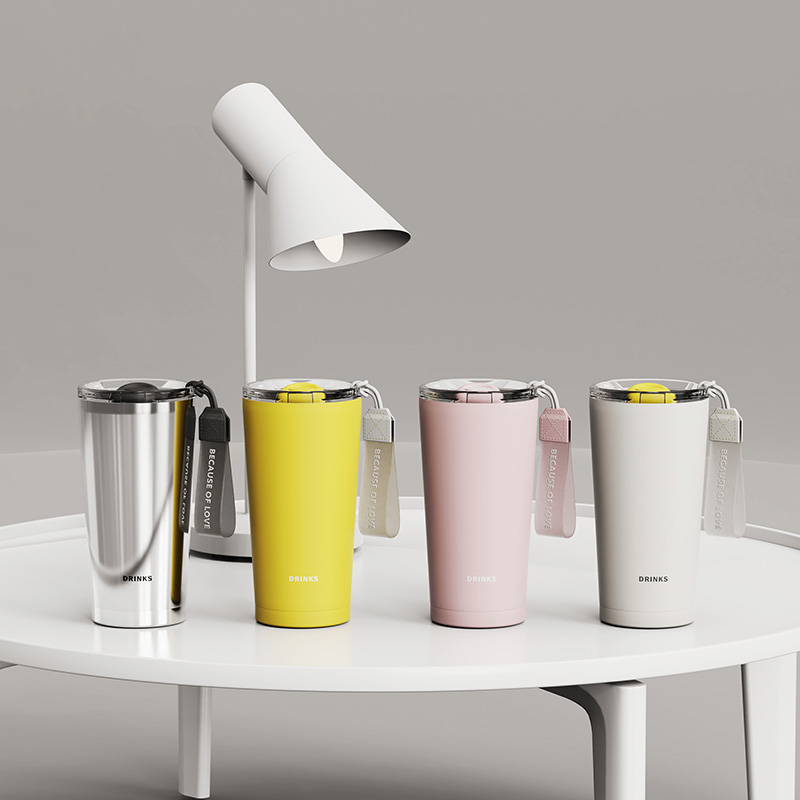
Milk Storage: Key Considerations
Milk is one of the more frequently discussed liquids in this context.
Temperature Sensitivity
Milk is highly perishable. Even inside an insulated container, it can spoil if kept within a temperature range that supports bacterial growth.
Hot milk may stay warm for hours, but prolonged storage can affect taste
Cold milk can remain chilled, but only for a limited time without refrigeration
Odor and Residue
Users often report that milk leaves a lingering smell if not cleaned promptly. Proteins can stick to inner surfaces, especially in stainless steel containers.
Recommended Usage
Short-term storage is generally acceptable:
Suitable for several hours during commuting or travel
Not ideal for all-day storage without proper temperature control
Juice Storage: What Users Should Know
Juice presents a different set of considerations.
Acidity and Material Interaction
Some juices, particularly citrus-based ones, are acidic. Over time, acidity may interact with inner materials, especially in lower-grade flasks.
High-quality stainless steel is designed to resist corrosion, reducing this risk.
Fermentation Risk
Fresh juice can ferment if stored too long in a sealed, warm environment. This may contribute to changes in taste or pressure buildup inside the container.
Flavor Retention
Users sometimes notice that strong flavors remain after storing juice, affecting the taste of later beverages.
Impact of Insulation on Food Safety
A common misunderstanding is that insulation equals preservation. In reality, a vacuum flask only slows heat exchange.
Hot liquids gradually cool
Cold liquids gradually warm
Bacteria can still grow within certain temperature ranges
The narrow neck and sealed lid reduce heat loss, yet they also create a closed environment where changes occur slowly rather than stopping completely.
Material Safety and Compatibility
Material choice plays a role in determining whether storing milk or juice is practical.
Food-grade stainless steel resists corrosion and odor absorption
Plastic components should be heat-resistant and certified safe
Sealing rings must prevent leakage and minimize air exchange
Manufacturers such as Zhejiang Eno Housewares Co., Ltd. focus on selecting materials that balance durability with food-contact safety, helping reduce risks associated with different beverages.
Cleaning Requirements After Use
Proper cleaning becomes especially important when storing milk or juice.
Users often suggest:
Rinsing immediately after use
Using mild detergent to remove residue
Cleaning lid components thoroughly
Allowing the flask to dry completely
Residue buildup not only affects hygiene but may also influence the taste of future drinks.
Practical Usage Scenarios
Different situations call for different approaches:
Short trips or school use: Milk or juice can be stored safely for several hours
Outdoor activities: Cold juice may remain refreshing for moderate durations
Long-term storage: Not recommended without refrigeration support
Understanding these limits helps avoid common issues related to spoilage or taste changes.
User Concerns and Real Expectations
Some users expect a Travel Vacuum Flask to function like a refrigerator. This expectation often leads to dissatisfaction.
A flask maintains temperature for a period of time, but it does not actively cool or heat contents. As a result, perishable liquids require more careful handling compared to water or tea.