
 中文简体
中文简体 Español
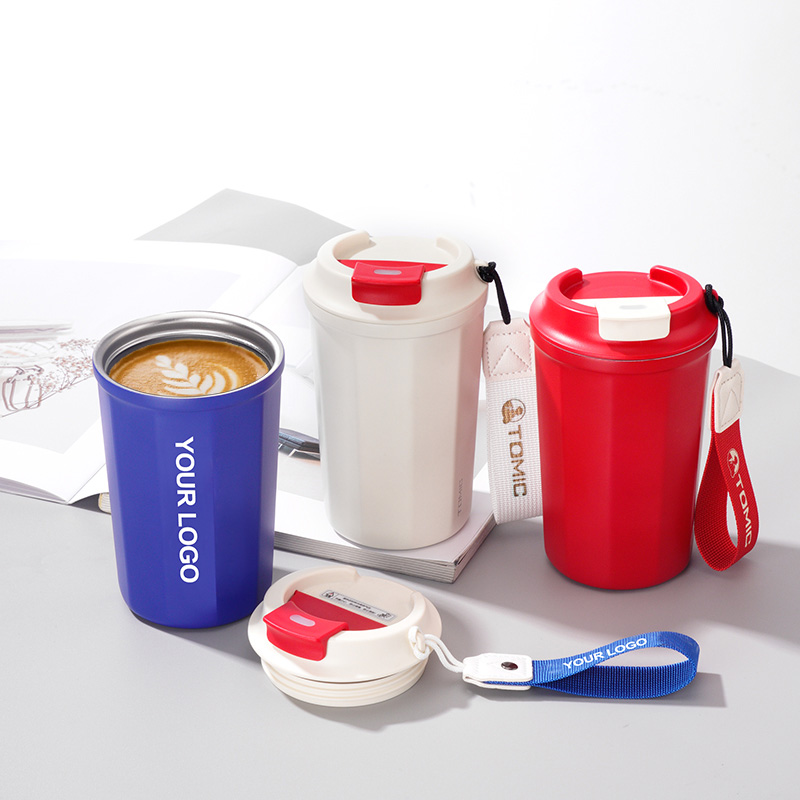
Unexpected heat loss is one of the more common complaints among users. Many people purchase a flask expecting consistent temperature retention, only to find their drink cooling faster than anticipated. A Thermal Drinking Flask is designed to slow down heat transfer, yet real-world performance sometimes falls short. Similarly, a Travel Vacuum Flask may perform well initially but show noticeable changes over time depending on usage and build quality.
How Heat Retention Actually Works
A vacuum flask relies on a double-wall structure with a vacuum layer in between. This design minimizes heat transfer by reducing conduction and convection, leaving only limited heat exchange through radiation and the lid area.
Despite this advanced structure, heat loss is never eliminated. Instead, the goal is to slow it down as much as possible.
Main Reasons Behind Fast Heat Loss
Users often raise concerns such as “Why does my flask cool within a few hours?” Several technical and practical factors can explain this.
1. Vacuum Seal Failure
A compromised vacuum layer is one of the more critical issues. Once air enters the space between the walls, insulation performance drops significantly.
Micro-cracks or manufacturing defects can allow air leakage
Physical damage (drops or impacts) can break the vacuum structure
Over time, internal components may degrade
Even a small loss of vacuum can contribute to noticeable temperature changes.
2. Lid and Seal Design Limitations
The lid is a major pathway for heat escape. Users often overlook this area, focusing only on the body of the flask.
Common issues include:
Loose or worn sealing rings
Thin or poorly insulated lid structures
Frequent opening during use
Since the vacuum layer does not extend to the opening, heat transfer occurs more easily at this point.
3. Material Thickness and Construction
Not all flasks are built the same. Differences in materials and wall thickness directly affect performance.
Thin stainless steel walls reduce insulation efficiency
Lack of reflective coating increases heat radiation loss
Lower-grade materials may not maintain structural stability
Some designs include internal reflective layers to reduce radiant heat transfer, improving overall retention.
4. External Environmental Conditions
Temperature differences between the liquid and surroundings influence how quickly heat escapes.
Cold weather accelerates heat loss
Wind exposure increases cooling rate
Frequent movement during travel affects stability
Users often notice reduced performance outdoors compared to indoor environments.
5. Usage Habits
Daily usage patterns play a larger role than many expect.
Opening the lid repeatedly releases heat
Partially filled flasks cool faster due to air inside
Not preheating the flask reduces initial thermal stability
A fully filled flask maintains temperature longer because it contains more thermal mass.
User Expectations vs Actual Performance
Some users expect their flask to keep drinks hot “all day,” but actual performance depends on multiple variables.
Typical ranges observed:
Around 6–12 hours for well-constructed flasks
Shorter durations for average or frequently used products
A drink may still be warm after several hours, but not necessarily at the same temperature as when it was initial poured.
Design Improvements from a Manufacturing Perspective
Manufacturers continue refining designs to address these issues. Key improvements include:
Enhanced vacuum sealing techniques
Thicker and more consistent wall construction
Improved lid insulation systems
Addition of reflective inner coatings
Zhejiang Eno Housewares Co., Ltd., for instance, focuses on balancing insulation performance with durability and practical usability, rather than relying solely on laboratory test results.
How Users Can Reduce Heat Loss
Simple adjustments can help maintain temperature more effectively:
Preheat the flask with hot water before filling
Keep the lid closed as much as possible
Avoid leaving the flask in cold environments
Fill the container close to its full capacity
These practices align real-world use with the flask’s intended design performance.
Long-Term Performance Considerations
Over time, even a well-made Travel Vacuum Flask may show reduced efficiency. This is often due to:
Wear and tear on sealing components
Minor structural damage
Gradual degradation of internal vacuum conditions
Regular inspection and proper handling can extend product lifespan.