
 中文简体
中文简体 Español
A travel mug goes everywhere—from the office desk to the hiking trail—collecting more than just memories along the way. A stainless steel mug might look pristine on the outside, but what lurks beneath the lid tells a different story. Users frequently discover that their trusted companion develops sour smells, strange tastes, or visible buildup despite regular rinsing. This raises an important question for anyone purchasing custom drinkware: are insulated cups with logo designed for real-world hygiene, or do they hide bacterial time bombs in their crevices?
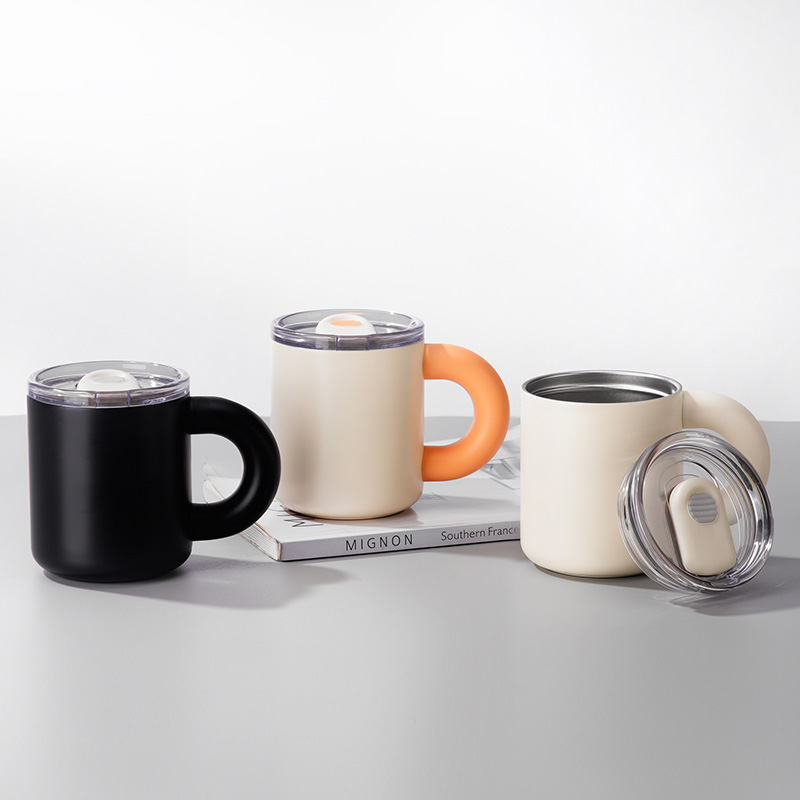
1. The Hidden Problem: What Grows Inside Your Mug
Even after daily washing, microscopic threats can thrive in hard-to-reach areas. Research from the University of Arizona found that 30% of reusable drinkware tested harbored coliform bacteria—organisms often linked to fecal contamination—due to improper washing . This isn't just about aesthetics; it's a genuine health concern.
Biofilm Formation: Within days, bacterial colonies can form biofilm on surfaces that appear clean . This slimy layer protects bacteria and resists simple rinsing.
Odor Sources: Lingering smells almost always trace back to microbial growth in hidden areas—especially under lid seals and in thread grooves .
Taste Contamination: These residues don't just smell bad; they actively taint the flavor of fresh beverages poured into an unclean mug.
2. The Lid: Ground Zero for Bacterial Growth
When users complain about hard-to-clean mugs, the lid is almost always the culprit. A stainless steel mug body is relatively simple to scrub, but modern lid designs prioritize function over cleanability.
Disassembly Required: Silicone gaskets, flip-top mechanisms, and sliding closures create tiny niches where moisture and particles become trapped .
Gasket Degradation: Over time, rubber and silicone seals become cloudy, brittle, or cracked—signs that they harbor bacteria and need replacement .
Real User Feedback: An Amazon reviewer specifically praised a mug's design because "the mouthpiece and inner elements of the top" were easy to clean, noting that these areas typically contact liquid only during sipping . This highlights consumer awareness of lid hygiene.
3. Daily Maintenance: Simple Habits That Prevent Problems
Keeping an insulated cup with logo fresh doesn't require complex routines. Experts recommend integrating these habits into daily use :
Rinse Immediately: Don't let coffee or tea sit in the mug for hours. A quick rinse after finishing prevents stains and reduces bacterial food sources .
Disassemble Daily: Remove all lid components and wash them separately. Seals and hinges need individual attention .
Dry Completely: Always store the mug upside down with the lid off. Trapped moisture is the primary cause of musty odors and mold growth .
Use Mild Cleaners: Mild dish soap and warm water suffice for daily cleaning. Harsh chemicals can degrade seals over time .
4. Deep Cleaning: The Monthly Reset
Even with good daily habits, periodic deep cleaning is essential. Many users discover that their mug "smells cleaner than when I bought it" after following a thorough reset process . Zhejiang Eno Housewares Co., Ltd. recommends this professional-grade routine:
Step 1: Complete Disassembly
Remove every detachable component—lid, silicone gasket, mouthpiece, and any sliding parts. Consult manufacturer instructions to avoid damage .
Step 2: Baking Soda and Vinegar Treatment
Sprinkle two teaspoons of baking soda inside the mug, add a splash of white vinegar, and watch the fizzing action lift stubborn stains and neutralize odors . Let it sit for 15–30 minutes .
Step 3: Lid Component Soak
Soak small parts in warm water mixed with white vinegar (1:4 ratio) for 15–30 minutes. Use an old toothbrush to scrub grooves and under seals .
Step 4: Denture Tablet Hack
For stubborn stains, fill the mug with warm water and drop in two denture cleaning tablets. Let it sit for one hour, then scrub and rinse. The effervescent action penetrates biofilm more effectively than soap alone .
Step 5: Thorough Rinse and Complete Drying
Rinse all components thoroughly with clean water. Air-dry completely on a clean towel—never reassemble while damp .
5. The Dishwasher Debate: Convenience vs. Longevity
Many users wonder whether tossing their mug in the dishwasher saves time without consequences. The answer requires nuance:
Stainless Steel Body: more stainless steel bodies can survive dishwasher cycles, but repeated exposure to high heat and harsh detergents may dull finishes and degrade vacuum seals over time .
Lid Components: Plastic and silicone parts are more vulnerable. Warping, cracking, and seal degradation commonly result from dishwasher heat .
Manufacturer Guidance: Some brands explicitly state certain components are dishwasher-safe (top rack only) . However, the expert consensus leans heavily toward handwashing for long lifespan .
6. Material Matters: Choosing Cleanable Design
Not all insulated cups with logo are created equal when it comes to hygiene. Smart sourcing decisions make maintenance easier:
Removable Seals: Look for designs where silicone gaskets pop out easily for cleaning and replacement .
Smooth Interiors: Wide-mouth openings and smooth interior surfaces without crevices simplify scrubbing .
Quality Indicators: MUJI advises that the cup itself will not rust, but red spots can appear due to limescale—easily removed with warm vinegar water and a soft cloth . This demonstrates that even premium brands require maintenance.
Avoid Abrasives: Never use steel wool, metal brushes, or harsh scouring pads. These scratch surfaces, creating hiding places for bacteria and permanently damaging the finish .
By choosing designs that prioritize cleanability and educating end-users on proper care, your brand ensures that every sip from your custom stainless steel mug tastes exactly as it should—clean, pure, and refreshing.