
 中文简体
中文简体 Español
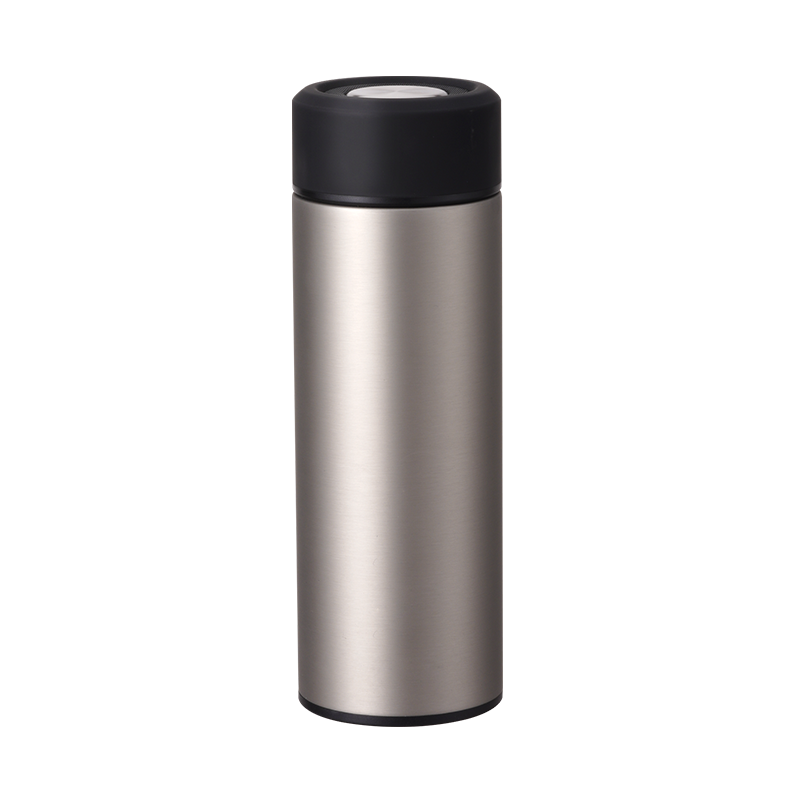
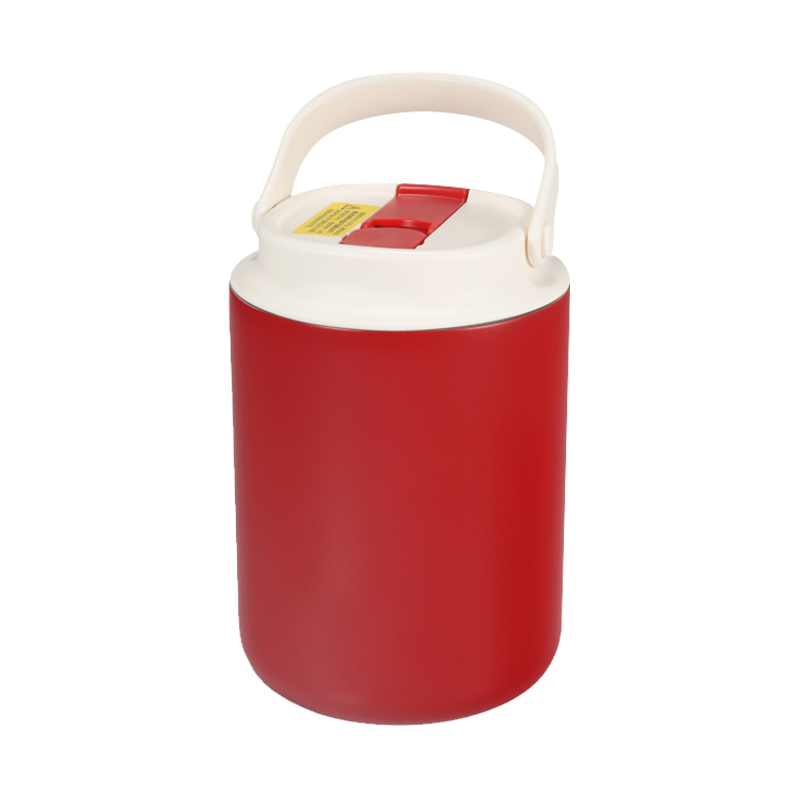
Hot beverages are part of daily routines for commuters, outdoor users, and office workers alike. A common question raised by users is simple: how long can a flask actually maintain temperature? For anyone considering a Thermal Drinking Flask, understanding real heat retention performance matters just as much as design or appearance. The same applies to a Travel Vacuum Flask, which is often expected to perform reliably across different environments.
Understanding Heat Retention Basics
Heat retention is not a fixed number. Instead, it depends on a combination of structure, materials, and usage habits. A vacuum flask works by reducing heat transfer through conduction, convection, and radiation, thanks to its double-wall construction and vacuum layer.
This design creates a barrier that slows down temperature loss significantly. The inner wall keeps heat contained, while the vacuum layer prevents energy exchange with the outside environment.
Typical Heat Retention Range
Many users expect exact numbers, but performance varies. Still, general ranges can be observed:
- High-quality flasks: about 8–12 hours of heat retention under normal conditions
- Mid-range products: around 4–8 hours
- Lower-quality designs: sometimes less than 4 hours
Some users report that their drink feels noticeably cooler after a few hours, even though the flask is technically still retaining heat. This difference often comes down to perception versus actual temperature.
Key Factors That Influence Performance
Several variables directly affect how long a flask keeps drinks warm:
1. Initial Temperature of the Liquid
Hotter liquids stay warm longer. Pouring in boiling water creates a stronger starting point for heat retention.
2. Vacuum Insulation Quality
A strong vacuum layer is essential. Poor insulation allows heat to escape faster, reducing overall performance.
3. Lid Design and Sealing
The lid is often overlooked. A weak seal allows heat to escape through the opening, which is one of the few remaining pathways for heat loss.
4. Flask Capacity
Larger volumes tend to retain heat longer because there is more thermal mass inside the container.
5. Frequency of Opening
Every time the lid is opened, heat escapes rapidly. This is especially relevant for travel scenarios.
Why Some Flasks Cool Faster Than Expected
A frequent concern raised by users is inconsistent performance. Several reasons explain this:
- Imperfect sealing structure
- Thin stainless steel walls
- Degraded vacuum layer over time
- External temperature conditions
Even a well-designed Travel Vacuum Flask can lose efficiency if the vacuum seal is damaged or the lid is worn.
Hot vs Cold Retention Differences
Interestingly, users often notice that cold drinks stay cold longer than hot drinks stay hot. This is linked to temperature differences between the liquid and the environment. Larger temperature gaps contribute to faster heat transfer, which explains why hot liquids cool down more quickly in comparison.
Practical Tips to Extend Heat Retention
Manufacturers often recommend simple practices to improve performance:
- Preheat the flask with hot water before use
- Keep the lid tightly closed
- Avoid frequent opening
- Fill the flask as much as possible to reduce air space
These small adjustments can noticeably improve user experience.
Manufacturing Perspective on Performance
From a production standpoint, achieving stable heat retention requires attention to multiple technical details:
- Precision vacuum sealing technology
- Food-grade stainless steel (such as 304 or 316)
- Consistent wall thickness
- Reliable lid structure design
Companies like Zhejiang Eno Housewares Co., Ltd. focus on balancing insulation performance with durability and usability. Instead of relying only on theoretical retention hours, manufacturers increasingly consider real-world usage scenarios.
Choosing Based on Real Needs
Not every user requires large heat retention. Different usage scenarios call for different expectations:
- Daily commuting: 4–6 hours may be sufficient
- Outdoor activities: longer retention becomes important
- Office use: convenience and ease of use may matter more than duration
Understanding these needs helps users select a flask that aligns with their habits.