
 中文简体
中文简体 Español
Imagine a business invests in premium custom drinkware for a corporate event, only to have recipients report back months later that the vibrant color has started flaking off. This is a frustratingly common scenario. A stainless steel mug might deliver exceptional thermal performance, but if its outer layer begins to peel, it creates a poor reflection on the brand it carries. Users frequently ask why this happens, pointing to a manufacturing reality that buyers of insulated cups with logo must understand: the exterior finish is just as important as the interior insulation.
1. The Fundamental Reason: It's a Coating, Not the Steel
The primary thing to understand is that the color on more custom mugs is an applied coating, not a property of the steel itself.
The Base Metal: Underneath the color is raw stainless steel, which has a silver-grey appearance.
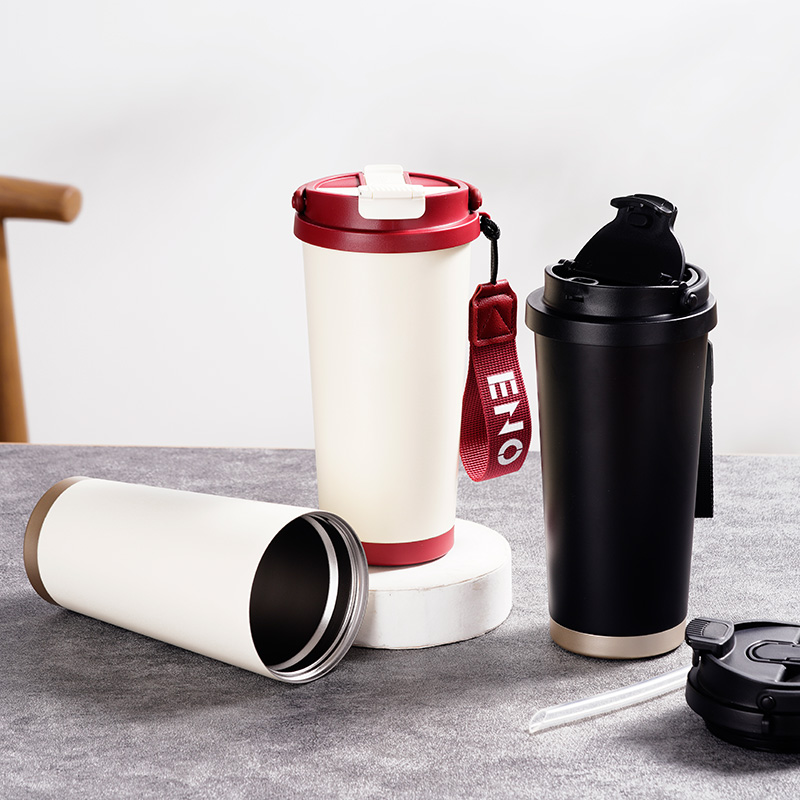
The Colored Layer: To add brand colors or designs, manufacturers apply a coating, often a polymer, acrylic, or paint. This layer is what provides the "smudge-proof" or matte finish that consumers love .
The Weak Point: This coating, while aesthetic, is a separate material adhered to the metal. If the adhesion process is poor, or if the coating is too thin, it becomes susceptible to peeling.
2. The Heat and Dishwasher Connection
One of the more cited reasons for peeling is improper cleaning, specifically the use of a dishwasher.
Real User Experiences: Online reviews are filled with accounts of customers who placed their stainless steel mug in the dishwasher, only to have the paint or coating peel off shortly after. One user noted they had a mug for about six months, and the black coating started peeling the same week it went through a dishwasher cycle .
The Science: High heat, harsh detergents, and the water pressure inside a dishwasher are simply too aggressive for more decorative coatings. The heat can soften the adhesive or coating, and the detergents can chemically break it down .
Manufacturer Warnings: Many brands explicitly state their products are "not dishwasher safe," but consumers often miss this detail until it's too late .
3. The Role of "Hardener" and Protective Layers
Not all coatings are created equal. A key differentiator in the durability of an insulated cup with logo is the presence of a hardening agent.
Without Hardener: Coatings applied without a hardener are more vulnerable to wear from skin oils, scratches, and even UV exposure. Over time, the natural oils from a user's hand can break down these softer polymer coatings, causing them to peel .
The Hard-Shell Difference: Premium manufacturing processes, such as the "Hardshell™ Powder coat" used by some brands, are specifically engineered to prevent peeling . This type of coating is more resilient and bonds better to the stainless steel surface.
UV Damage: Prolonged exposure to direct sunlight can also dull colors and make the print or coating brittle, causing cracking and peeling .
4. Physical Damage and Abrasion
Everyday use inevitably exposes a mug to bumps and scratches, which can be the starting point for a peel.
Scratches are Gateways: A simple scratch from keys in a bag or a bump against a counter can break the seal of the coating. Once this protective layer is breached, moisture and further abrasion can cause the surrounding area to lift and peel away from the stainless steel surface .
Abrasive Cleaners: Using steel wool or harsh scrub pads on the exterior will quickly mar and peel the finish. These tools are designed for deep cleaning but are far too aggressive for the delicate painted surface of a custom logo .
5. Case Study: When Even Premium Brands Face Issues
The problem isn't limited to low-cost imports. Even well-regarded manufacturers have faced consumer complaints about peeling.
A Known Frustration: A review for a high-end Zojirushi stainless steel mug detailed how the paint flaked off "badly after 2 months of gentle use." The manufacturer's response highlighted a key industry reality: "cosmetic damage, such as peeling exterior paint," is often not covered under warranty, as it's considered separate from thermal performance .
Class Action Context: This issue has even led to class-action lawsuits against major appliance brands for coatings peeling on stainless steel products, proving that the challenge of adhering a coating to metal is a widespread manufacturing hurdle .
6. Choosing a Mug with a Durable Finish
For businesses looking to place their logo on thousands of units, avoiding a peeling disaster is paramount. Here is what to look for when sourcing from a manufacturer like Zhejiang Eno Housewares Co., Ltd.:
Ask About the Coating Type: Inquire if the mug uses a standard painted finish or a more durable powder-coated finish. Powder coating is generally more chip- and peel-resistant.
Verify Curing Processes: Understand how the coating is applied and cured. Proper curing (often using heat) is essential for long-term adhesion.
Request Samples for Testing: Don't just look at a sample. Wash it repeatedly by hand, scratch it gently with a key, and even leave it in a sunny window to see how the finish holds up.
Provide Clear Care Instructions: When you distribute your custom insulated cups with logo, include clear care cards that state "Hand Wash Only" and advise against abrasive cleaners. This sets the right expectation with the end-user and protects your brand's image.
A peeling exterior is more than a cosmetic flaw; it turns a brand ambassador into an eyesore. The problem usually stems from a combination of thin or improperly applied coatings, harsh treatment like dishwasher cleaning, and everyday wear and tear. By understanding that the colorful surface of a stainless steel mug requires protection, and by choosing a supplier committed to durable finishing techniques, you can ensure that your custom insulated cups with logo remain vibrant representatives of your brand for years to come.