
 中文简体
 Español
Demand for reusable drinkware creates opportunities for retailers, distributors, and private-label brands, but product durability remains an important purchasing consideration. A Metal Water Bottle must withstand regular handling, repeated washing, and daily transportation without developing avoidable defects. For international buyers, understanding how manufacturing methods and quality control affect product performance can make supplier evaluation more effective and help reduce after-sales problems.

Body Construction and Wall Thickness
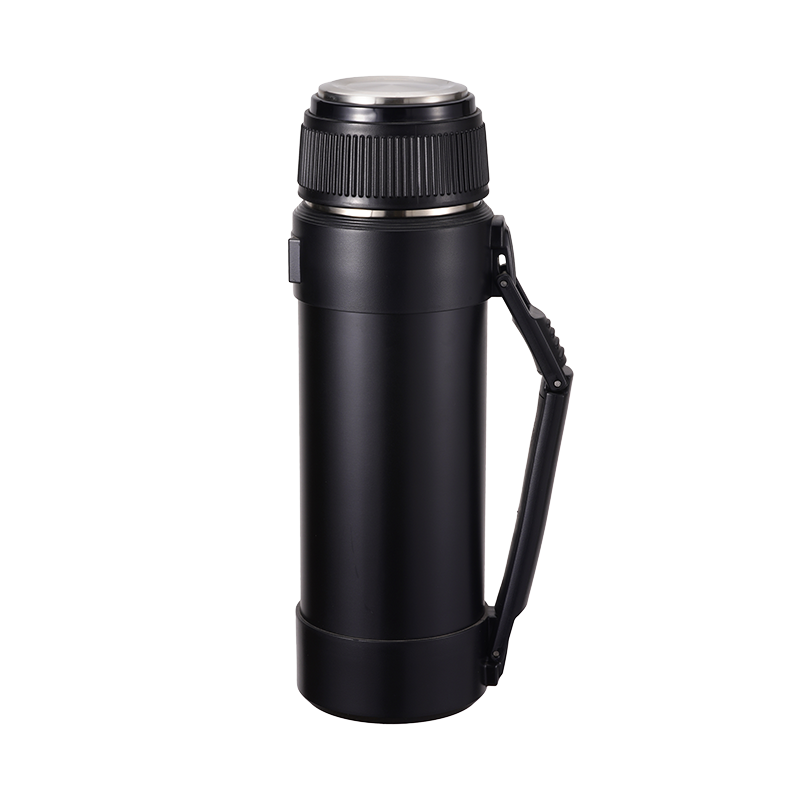
The bottle body influences weight, strength, and overall usability. Material grade, wall thickness, forming processes, and structural design all contribute to the finished product's performance. A heavier bottle is not necessarily more durable, so buyers should evaluate construction against the intended application.
When reviewing samples, inspect the body for dents, uneven surfaces, and visible forming defects. Manufacturers should maintain consistent production specifications and verify critical dimensions during inspection. These measures help ensure that mass-produced bottles remain consistent with the approved sample.
Surface Treatment Protects Appearance
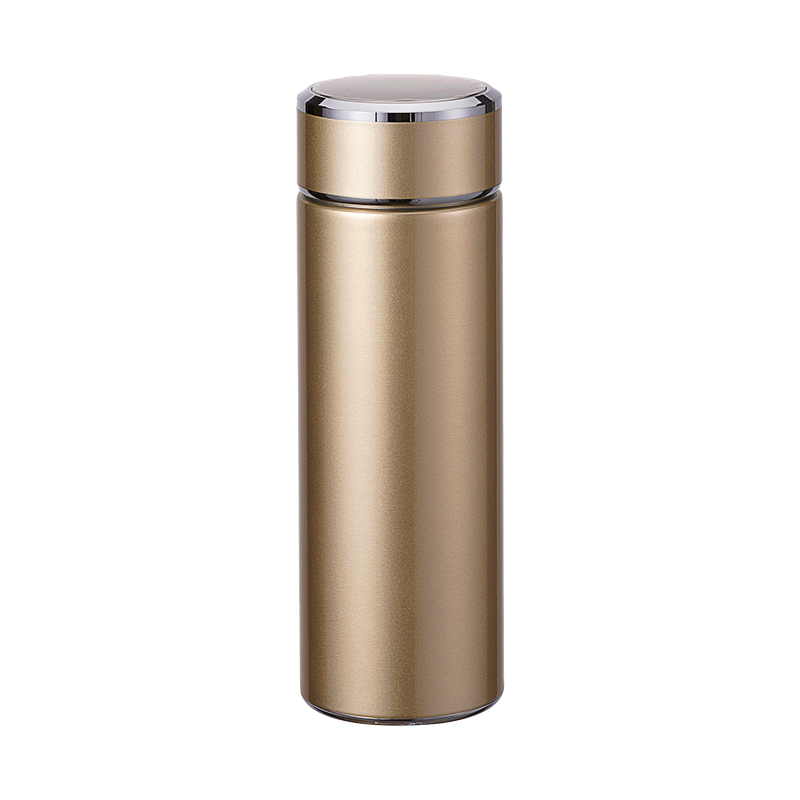
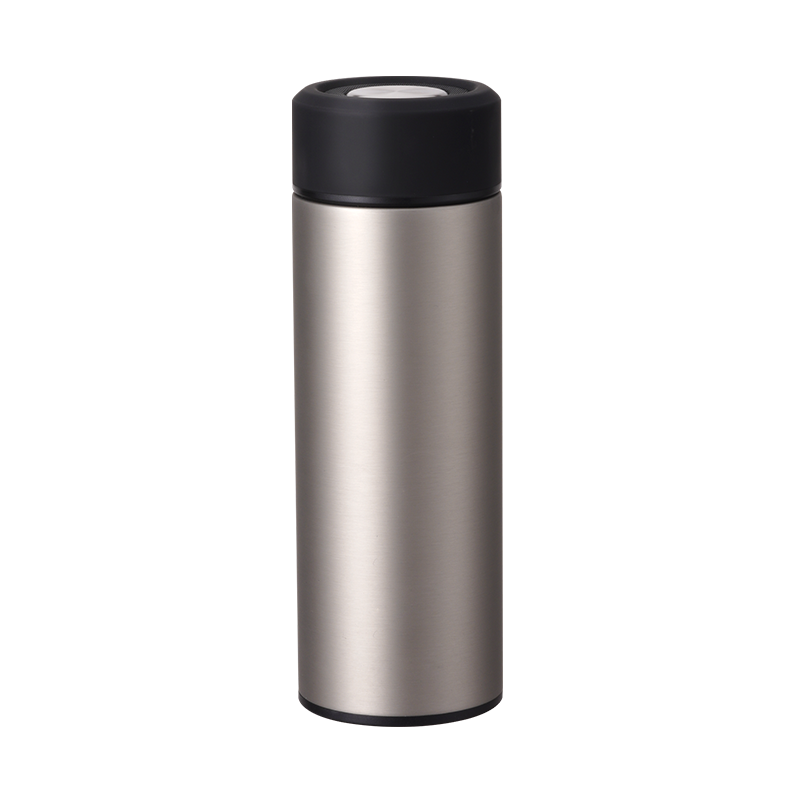
A bottle's exterior may feature brushed stainless steel, polishing, or a colored coating. Each finish creates a different appearance and requires appropriate handling during production, packaging, and transportation.
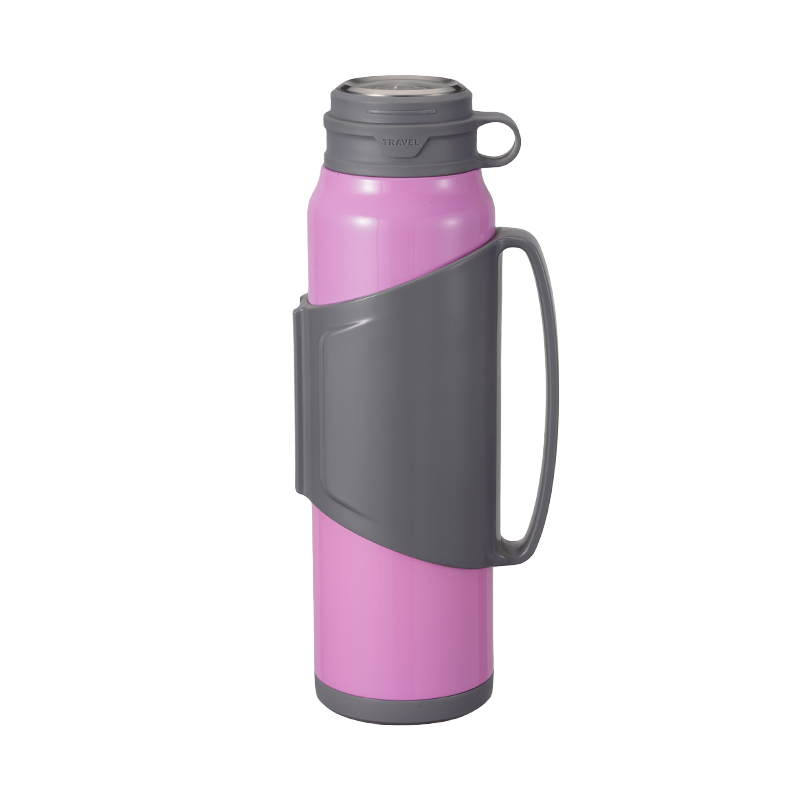
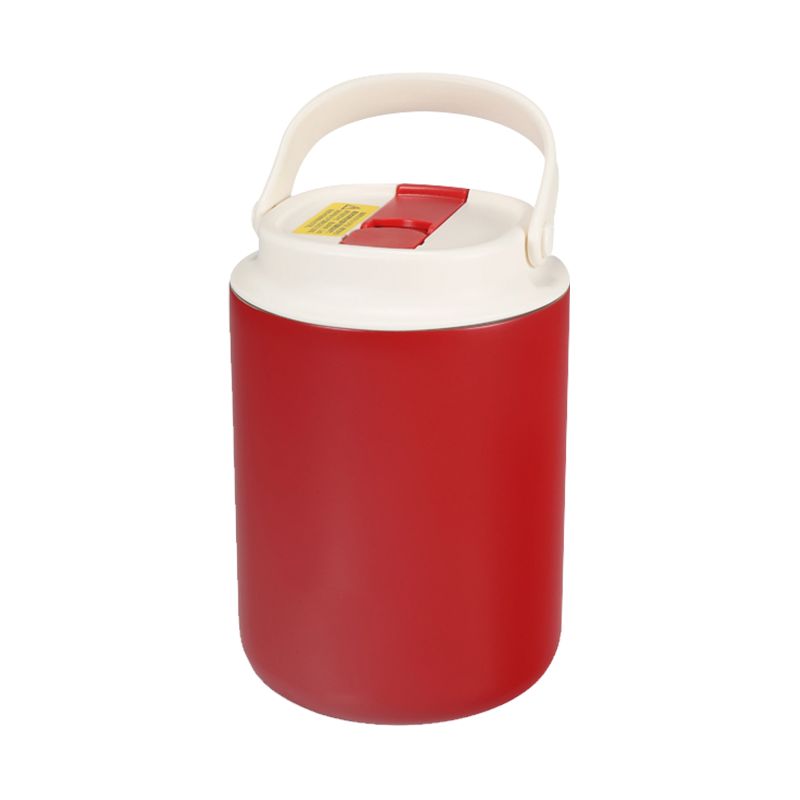
For powder-coated models, buyers should check coating uniformity, adhesion, and resistance to ordinary handling. Polished surfaces should be inspected for scratches and visible blemishes. Agreeing on acceptable appearance standards before production can reduce disputes during final inspection.
For customized orders, maintaining an approved color reference and branding sample also helps improve consistency between production batches.
Lid Components Need Reliable Assembly
A durable bottle body cannot compensate for a poorly fitted lid. Incorrect gasket placement, inconsistent threads, or damaged sealing surfaces may cause leakage and affect customer confidence.
Manufacturers should inspect lid components and verify their assembly before products leave the factory. Buyers can evaluate samples by opening and closing the lid repeatedly and requesting leak-test results under agreed conditions.
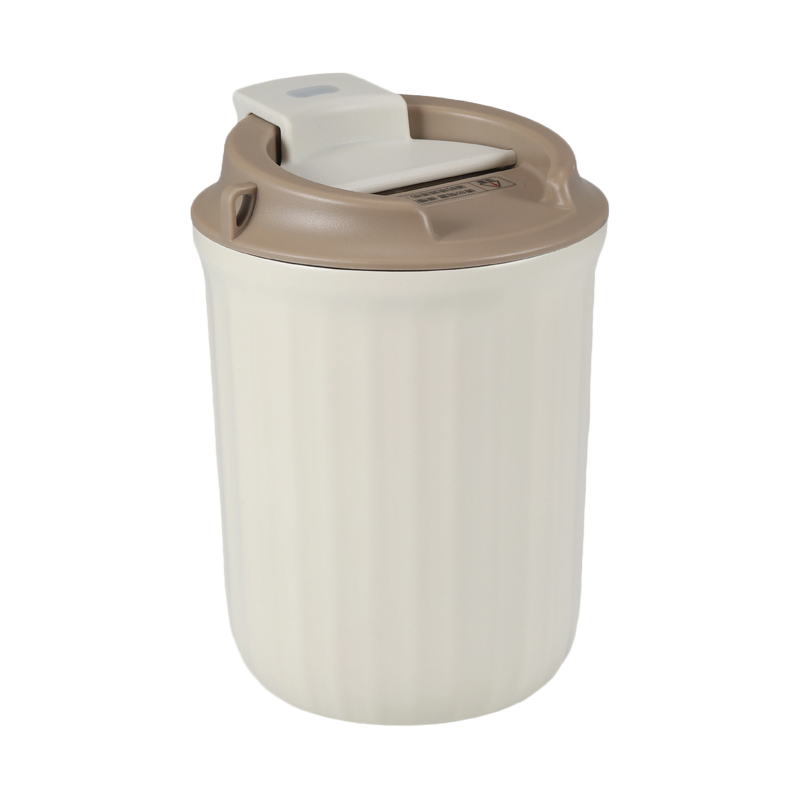
Different closures also suit different customers. Screw caps offer a straightforward design, while straw lids and flip-top closures may provide added convenience. The option depends on intended use, cleaning requirements, and target-market preferences.
Cleaning Design Supports Product Longevity
Regular cleaning helps maintain reusable drinkware, but complicated construction can make maintenance difficult. Narrow openings and inaccessible seals may allow moisture or beverage residue to remain in hard-to-reach areas.
A wide-mouth metal water bottle can make interior cleaning easier. Removable seals and accessible lid components may also simplify routine maintenance when designed for safe removal and reassembly.
Manufacturers should provide clear cleaning instructions and confirm dishwasher compatibility for the complete product or individual components before making such claims. Practical design details can improve the user experience without adding unnecessary complexity.
Test Insulation Performance Consistently
Double-wall vacuum insulation is commonly selected for bottles intended to maintain beverage temperature. Its performance depends on construction quality, vacuum integrity, lid design, and other product characteristics.
Buyers should request temperature-retention results based on defined test conditions instead of relying on general marketing descriptions. Comparing samples using the same testing method provides a more meaningful basis for evaluating suppliers.
Single-wall bottles remain suitable for applications where low weight and straightforward construction are more important than insulation. Selecting the right design helps avoid paying for features that do not match customer needs.
Packaging Is Part of Quality Management
Surface damage can occur after manufacturing if products are inadequately protected during storage or transportation. Individual packaging, suitable separators, and appropriately sized cartons help reduce contact between bottles during shipment.
For wholesale orders, buyers should confirm packaging materials, carton quantities, shipping marks, and inspection procedures. Customized retail packaging should also be checked for accurate printing and correct product information.
A clear packaging specification helps protect product appearance and supports more efficient warehouse handling when goods arrive at their destination.
Choose a Manufacturer with Consistent Processes
Reliable quality depends on repeatable manufacturing procedures rather than a successful sample alone. Buyers should ask about incoming material checks, in-process inspections, finished-product testing, and procedures for managing defective items.
As a manufacturer, we understand that overseas customers need drinkware that combines practical design with dependable production quality. Clear specifications, documented inspections, and effective communication help both parties maintain consistent expectations throughout an order.
By evaluating body construction, surface treatment, lid performance, insulation, and packaging together, buyers can make better sourcing decisions. A well-manufactured Metal Water Bottle can support customer satisfaction and strengthen a drinkware collection when durability is built into every stage of production.