
 中文简体
 Español
For importers, wholesalers, and private-label brands, choosing reusable drinkware involves balancing purchase costs with product performance and customer expectations. A Metal Water Bottle may look similar across different suppliers, yet differences in steel specifications, insulation structure, lid components, and surface treatments can affect its quality and final selling price. Understanding these differences helps international buyers compare quotations more accurately and select products suited to their markets.
Look Beyond the Initial Purchase Price
A low quotation does not always represent the purchasing decision. Product defects, damaged packaging, inconsistent finishes, and replacement requests can increase the overall cost of an order.
When comparing suppliers, buyers should review the complete specification, including material grade, capacity, wall construction, lid type, customization, and packaging. Comparing products with equivalent requirements makes price differences easier to understand.
As a manufacturer, we recommend confirming all essential details before requesting a final quotation. This helps prevent unexpected costs caused by specification changes after sampling or production has started.
Understand Material and Construction Differences
Stainless steel is widely used in reusable drinkware because of its durability and corrosion resistance. However, buyers should confirm the specific grade and intended application instead of assuming that all stainless steel bottles offer identical performance.
Construction also affects the final product. Single-wall bottles generally have a simpler structure, while double-wall vacuum-insulated models involve additional manufacturing steps. The appropriate choice depends on whether customers prioritize affordability, lightweight portability, or temperature retention.
Requesting material specifications and relevant supporting documents helps buyers evaluate products based on verifiable information rather than appearance alone.
Evaluate Lids and Seals Before Ordering
Lid design affects both usability and product reliability. Screw caps, flip-top lids, and straw lids serve different preferences, but each requires appropriate fitting and quality checks.
Before approving a sample, inspect the closure, gasket placement, and ease of operation. Buyers should also request leak-test results under agreed conditions when leakage prevention is an important product requirement.
For distributors managing multiple product models, confirming replacement-part availability can simplify after-sales service and help reduce unnecessary product waste.
Choose Finishes That Match Your Sales Channel
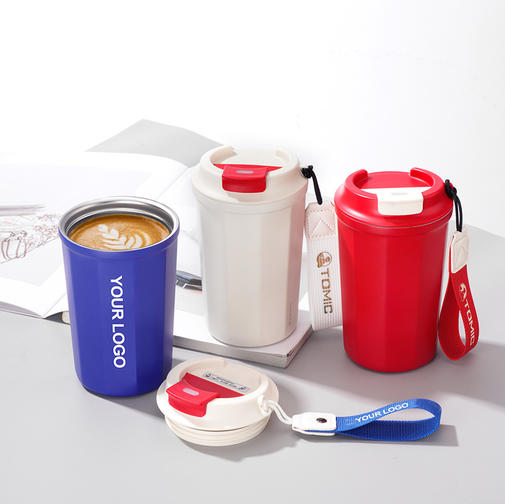
The exterior finish influences product positioning and branding opportunities. Brushed steel may suit practical everyday collections, while powder-coated colors can support lifestyle retail products and promotional campaigns.
Private-label buyers should confirm color references, logo placement, engraving or printing methods, and acceptable surface quality before production. A physical sample provides a useful reference for evaluating the finished appearance.
Manufacturers should establish inspection procedures for scratches, coating irregularities, and branding defects. Consistent quality is especially important when repeat orders need to match an existing product range.
Consider Packaging and Shipping Requirements
Packaging can affect product condition, storage efficiency, and transportation costs. Individual protective packaging may help prevent scratches, while suitable carton dimensions can support easier warehouse handling.
Before shipment, confirm carton quantities, packing methods, shipping marks, and any required retail packaging. Buyers should also clarify responsibility for inspection and handling damaged goods.
Discussing these details early helps avoid last-minute changes and makes the transition from production to distribution more predictable.
Verify Compliance for the Destination Market
Product requirements vary between countries and sales channels. Depending on the intended market, buyers may need relevant food-contact test reports, material declarations, or other supporting documentation.
Ask suppliers which documents are available and verify that they apply to the actual product being purchased. Claims concerning recycled content, environmental benefits, or dishwasher compatibility should also be supported by appropriate evidence.
Clear documentation helps buyers assess sourcing risks and prepare products for their intended market.
Build Long-Term Value Through Supplier Cooperation
A dependable manufacturing partnership requires consistent specifications, transparent communication, and agreed quality standards. Buyers should evaluate sample approval procedures, production inspections, times, customization capabilities, and processes for resolving quality issues.
At our manufacturing facility, we recognize that overseas buyers need products that meet both commercial objectives and practical user requirements. By comparing construction, material quality, functionality, and production controls alongside price, businesses can make more informed sourcing decisions. A carefully selected Metal Water Bottle can deliver lasting value when product specifications, manufacturing quality, and market expectations are aligned.