
 中文简体
中文简体 Español
Buyers placing orders for wholesale insulated mugs often expect consistent thermal performance, yet many have asked: can these mugs actually fail temperature retention when tested in real conditions? Even products from a reputed Vacuum Bottle Manufacturer may sometimes fall short of temperature expectations when evaluated under standardized methods versus classroom claims. Understanding why temperature failures occur and how to assess thermal performance is critical for bulk buyers, brand owners, and distributors alike.
In recent years, temperature retention has become a focal point for consumer reviews and industry testing comparisons. Users frequently report discrepancies between claimed hours of hot or cold retention and observed results during daily use. This gap between marketing and real-world performance is especially relevant for products sold in bulk or under private labels.
What Does Temperature Testing Really Measure?
Temperature performance isn’t just a marketing phrase—it’s a technical measure of how long a mug can maintain a set drink temperature under controlled conditions. Industry and third-party testing protocols often involve filling a vessel with hot water (e.g., 95°C / 203°F) and monitoring internal temperature at intervals, such as 6 and 12 hours, in a room-temperature environment. These structured evaluations provide comparable data points rather than subjective impressions.
Independent laboratory measurements typically evaluate:
- Thermal retention over time
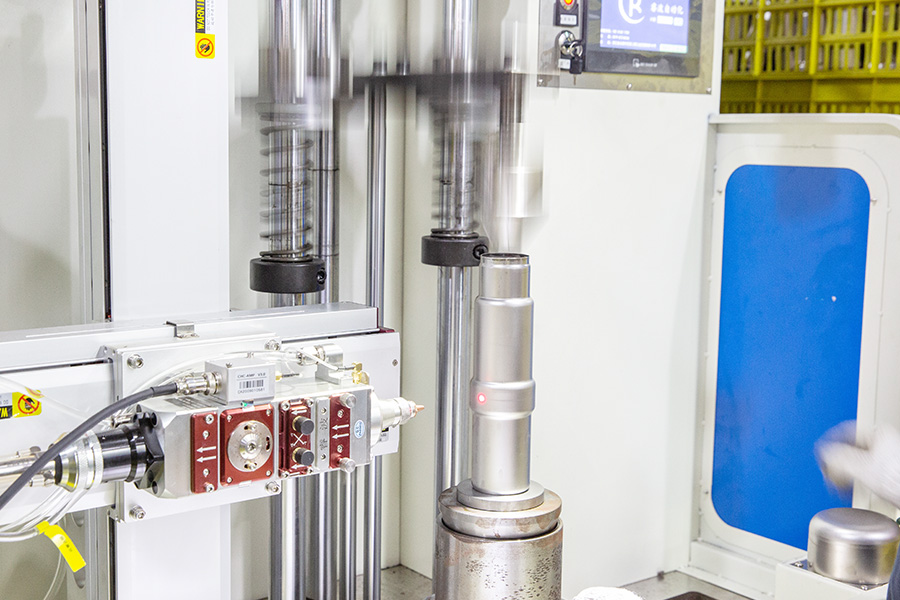
- Integrity of vacuum seals and insulation layer
- Leak and heat loss through lids or openings
- Performance after simulated shock or repetitive use
Some certified testing centers can even output detailed reports showing how performance changes over long durations.
Why Do Some Insulated Mugs Fail Temperature Checks?
Several factors contribute to thermal retention issues that become apparent during testing or everyday use:
- Inconsistent Vacuum Quality:
The vacuum layer between the walls is central to temperature retention; any imperfect vacuum or manufacturing inconsistency can accelerate heat transfer. Even minor pressure variations inside the insulation layer significantly reduce thermal performance.
- Suboptimal Lid Seals:
Heat can escape through gaps in poorly designed lids or seals. A lid that’s difficult to tighten uniformly or uses low-quality sealing materials often results in quicker heat loss.
- Material and Thickness:
The thickness of stainless steel and quality of the materials used directly influence retention. Thinner walls may reduce cost but sacrifice insulation efficiency.
- Temperature Claim Context:
Marketing descriptors such as “long-lasting” or “hours of heat retention” often lack controlled testing references. A mug might retain heat for a few hours in a lab with ideal conditions but perform differently in daily ambient environments.
For buyers of wholesale insulated mugs, these variances translate to unpredictable real-world experience and can affect end-user satisfaction.
User Observations and Real-World Feedback
Many buyers and reviewers remark that mugs with similar specs can show very different performance once filled with hot beverages. In tests conducted by consumer organizations, some insulated mugs saw internal temperatures drop significantly over 6 hours, while others maintained moderate warmth depending on design and material quality.
A common theme among practical tests and anecdotal feedback is that not all products labeled as “insulated” perform equally well under thermal stress. This is especially apparent when comparing unverified marketing claims with standardized temperature measurements.
How Bulk Buyers Can Validate Thermal Performance
For those ordering large quantities of insulated mugs, especially for retail or promotional distribution, verifying performance before bulk production is essential. Here are practical steps to reduce temperature failures in your shipments:
- Request Standardized Temperature Retention Data:
Ask your supplier to provide test results showing hot and cold performance at specific intervals (e.g., 6 hours, 12 hours).
- Inspect Vacuum Seal Integrity:
A true vacuum layer and quality sealing components are non-negotiable for reliable performance.
- Evaluate Lid and Closure Systems:
Heat escapes primarily through lid areas, so leak-proof and well-sealed lids contribute significantly to overall retention.
- Test Samples Under Real Conditions:
Fill mugs with hot liquid and monitor temperature changes in different ambient settings—cool rooms, warm spaces, or even vehicles—to simulate actual usage.
A responsible Vacuum Bottle Manufacturer will support such testing, often providing sample testing reports or independent lab results.
Practical Examples and Temperature Performance Benchmarks
Industry references suggest that clear thermal performance benchmarks help buyers set accurate expectations. For instance:
6-hour hot retention benchmarks often expect fluids to stay above a moderate temperature threshold (e.g., significantly warmer than ambient conditions).
Cold retention benchmarks involve maintaining low temperatures (near initial cold fill) over similar durations, highlighting how insulation slows heat ingress.
Using these benchmarks, bulk buyers can compare products more objectively rather than relying on general marketing language.
Long-Term Reliability and Batch Consistency
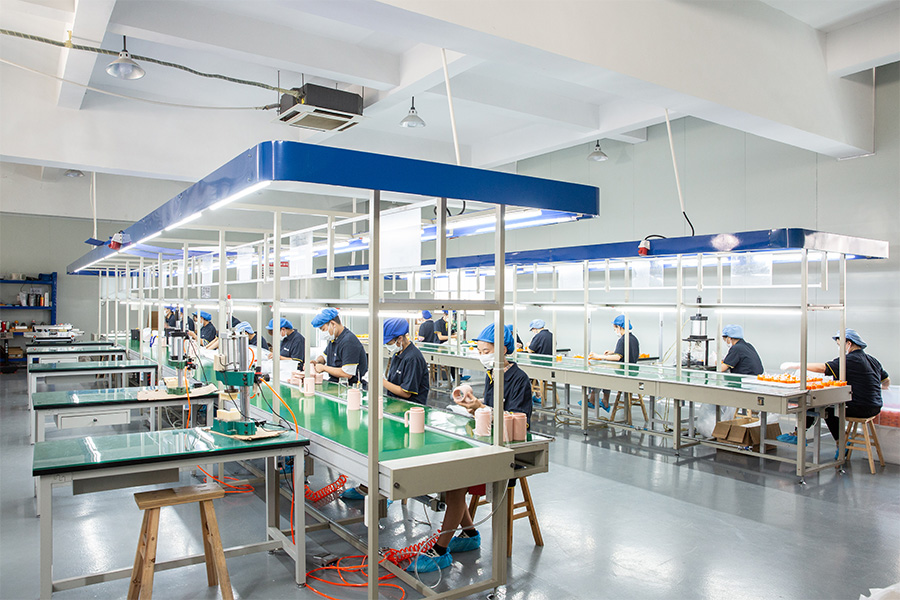
Temperature failure isn’t always a one-time concern. Over repeated use or across larger production batches, inconsistencies in manufacturing can cause to varied thermal performance from unit to unit. This is where working with established partners who document quality control procedures can help. At Zhejiang Eno Housewares Co., Ltd., we emphasize thorough quality checks and clear communication of insulation performance as part of our service standard.
By asking for documented temperature retention data, understanding the impact of structural design and material quality, and validating samples before placing large orders, buyers can significantly reduce the risk of temperature test failures. Clear communication with a capable Vacuum Bottle Manufacturer prevents confusion and helps align bulk orders with genuine performance outcomes.