
 中文简体
中文简体 Español
For many importers and distributors, understanding how a Vacuum Bottle Manufacturer guarantees insulation performance is a core concern before placing large orders of wholesale insulated mugs. Buyers frequently ask: why do some insulation claims appear to overstate performance and how can you evaluate real-world results rather than marketing phrases? These questions are common among professionals who evaluate product specifications and long-term customer satisfaction.
In global markets, demand for thermally efficient beverage containers continues to grow, driven by everyday use and outdoor lifestyles. Yet not all products deliver consistent performance under varying conditions, and this inconsistency often sparks confusion among bulk buyers.
Understanding Vacuum Insulation and Performance Claims
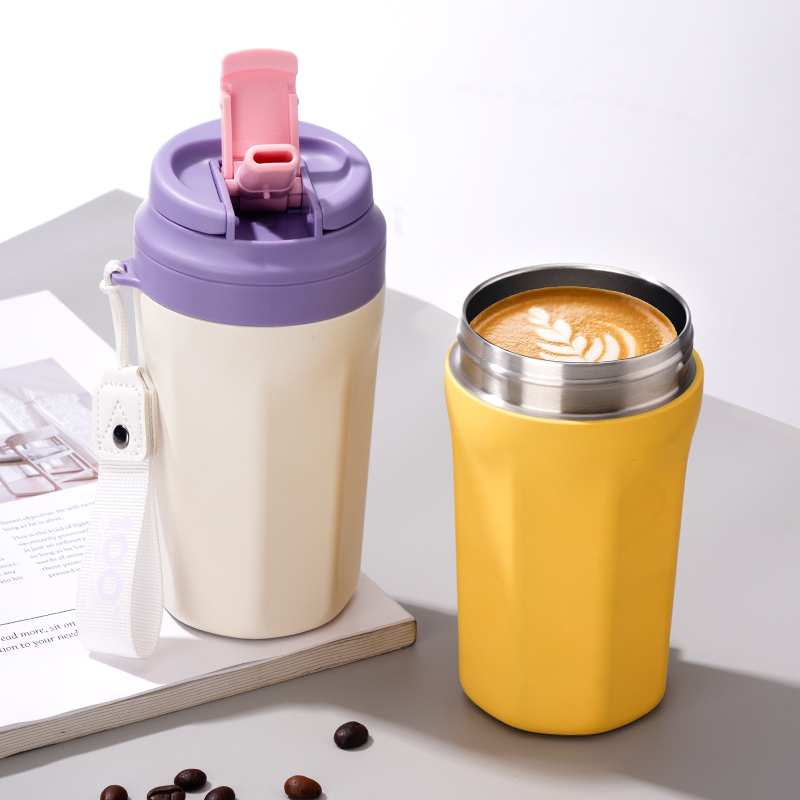
A true vacuum-insulated product relies on double-wall construction where the space between inner and outer walls is evacuated to create a vacuum. This vacuum layer drastically reduces heat transfer, keeping hot drinks warmer and cold drinks cooler for extended periods compared to single-wall or air-insulated alternatives. However, details like steel grades, vacuum consistency and seal integrity directly impact actual performance.
Several buyers have pointed out that products advertised with broad temperature ranges sometimes fail to meet expectations in real tests. This may stem from:
- Vague test conditions used in product descriptions
- Non-standardized measurement methods across manufacturers
- Use of marketing terms that imply performance beyond tested data
To cut through vague claims, buyers should request real performance data and ask for documentation of standardized testing, such as specific intervals of hot/cold retention under controlled conditions.
What Buyers Should Ask From a Vacuum Bottle Manufacturer
When engaging with a factory, particularly for wholesale insulated mugs, here are essential questions to clarify before you finalize a bulk order:
- How long can products maintain specific temperatures?
Ask for test results showing hot and cold retention at defined time intervals (e.g., after 6 hours or 12 hours under controlled temperatures). This provides a clearer benchmark than general claims like “long-lasting insulation.”
- What materials and standards are used in production?
Products made from high-quality food-grade steel (such as 18/8 or 316 stainless) and BPA-free sealing components tend to correlate with better real-world performance. Certified components also improve consumer confidence.
- Are test results available for verification?
Samples tested by third-party labs or internal quality control reports can show whether the actual vacuum level and insulation performance match claims.
By approaching manufacturers with precise questions, buyers gain a more realistic picture of what they are purchasing and avoid surprises after receiving inventory.
Misinterpretations and Industry Terminology
Another common area of confusion described by users is the terminology used for insulation and vacuum. Some buyers mistake any double-wall design as fully vacuum insulated, without realizing that true vacuum requires specialized manufacturing equipment and precise quality control.
Users sometimes interpret marketing images or product blurbs literally, causing to unrealistic expectations about how long a product will keep drinks hot or cold in everyday use versus laboratory conditions. Clear communication about insulation testing protocols removes ambiguity, making it easier for buyers to select the right products.
Practical Tips for Bulk Buyers of Wholesale Insulated Mugs
- Ask for real-world sample testing.
Request that your supplier provide a sample insulated mug tested under conditions similar to your target market climate. Temperature retention curves help set realistic expectations.
- Compare vacuum levels and wall thickness.
A deeper vacuum (lower pressure) and thicker walls often correlate with better insulation, but these elements can increase cost. Understanding trade-offs helps buyers manage product positioning.
- Evaluate quality of lids and seals.
A well-designed lid with secure sealing prevents heat loss through the top and reduces leakage risk during transport and use.
- Examine customization and packaging options.
For many brands, adding unique prints, logos or packaging enhances retail appeal. A Vacuum Bottle Manufacturer that supports customization, like Zhejiang Eno Housewares Co., Ltd., adds value when building your own brand or promotional products.
Bulk buyers must balance performance expectations with realistic evaluations of manufacturing processes and material limitations. Over-promising insulation claims may attract initial attention, but long-term customer satisfaction depends on reliable thermal performance in everyday use.
By asking the right questions and requesting performance evidence, you protect your business reputation and set expectations that reflect real product capability. Engaging manufacturers transparently and understanding technical specifications equips you to make confident ordering decisions and build long-term satisfaction with your inventory.