
 中文简体
中文简体 Español
When overseas retailers, corporate procurement managers and brand distributors search for reliable bulk drinkware suppliers, many focus on long-term usability, stable thermal performance and smooth customisation support. As a professional vacuum mug factory, we communicate with global buyers regularly and find that many sourcing challenges come from overlooked production details, inconsistent material standards and product designs that do not match local consumer habits.
Matching Mug Styles to Local Consumer Daily Scenarios
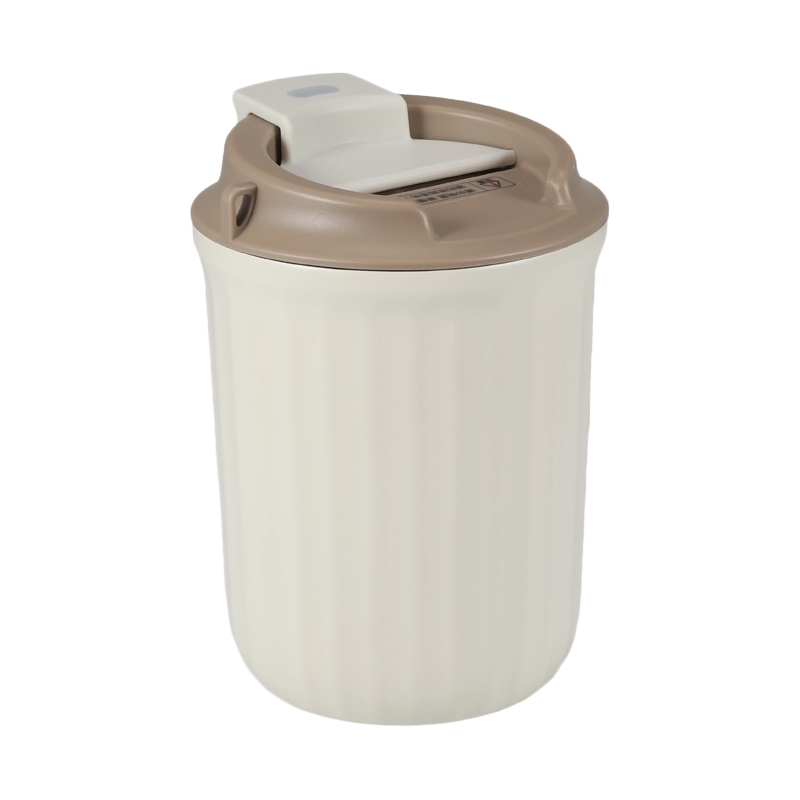
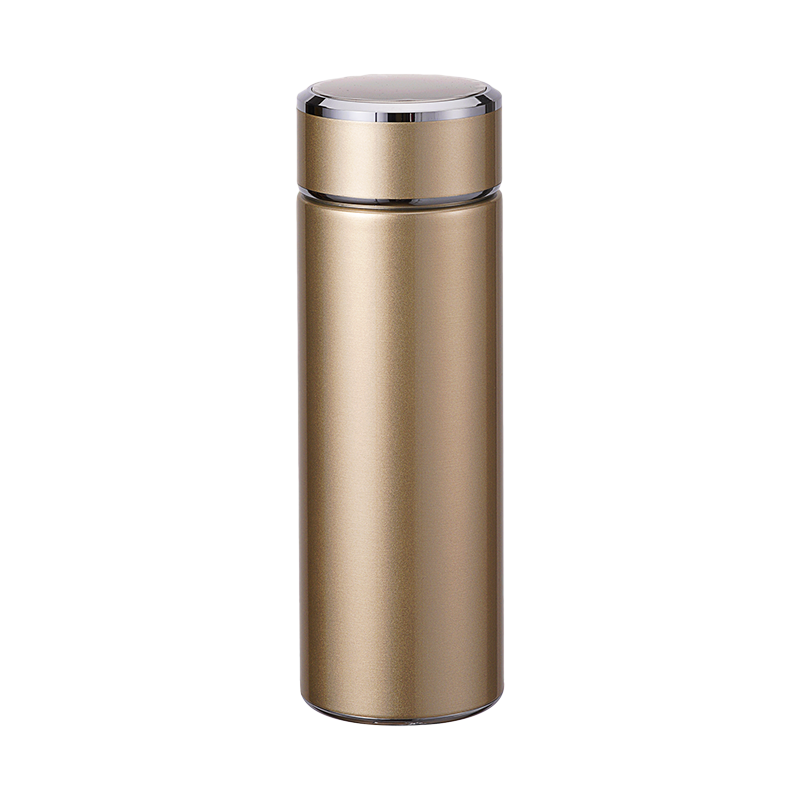
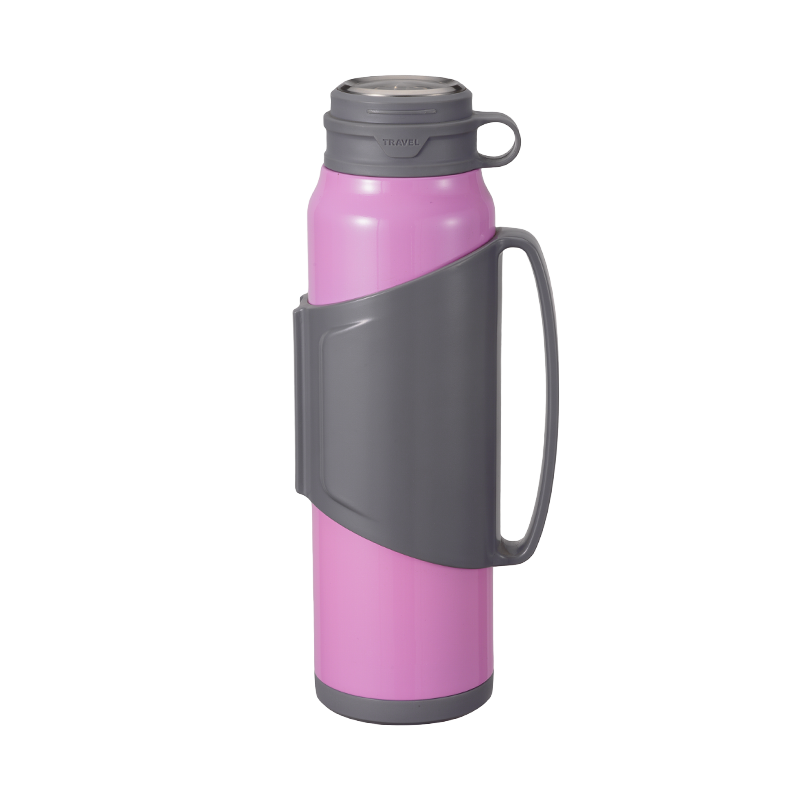
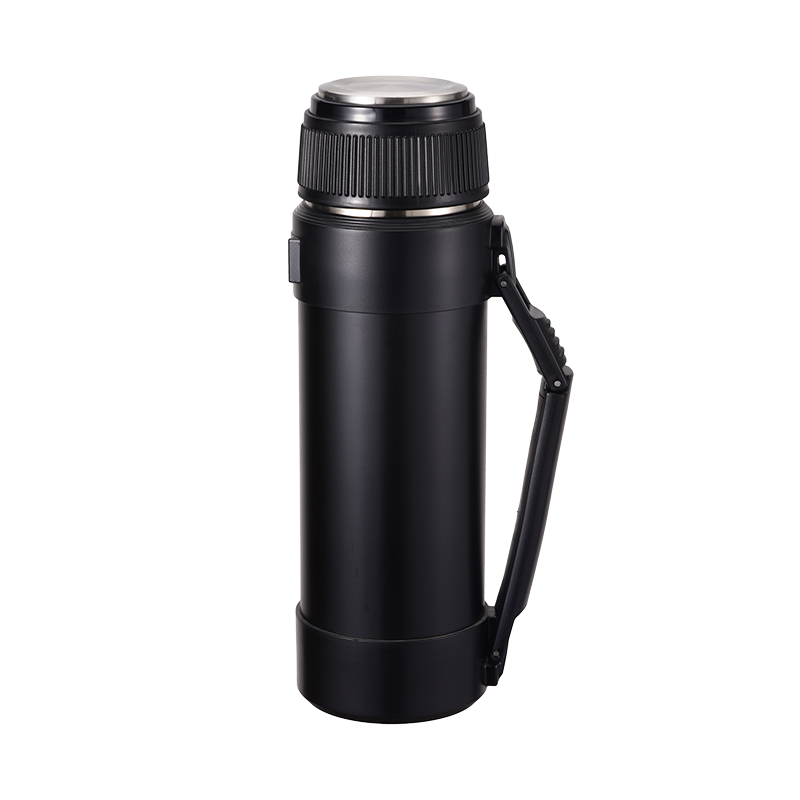
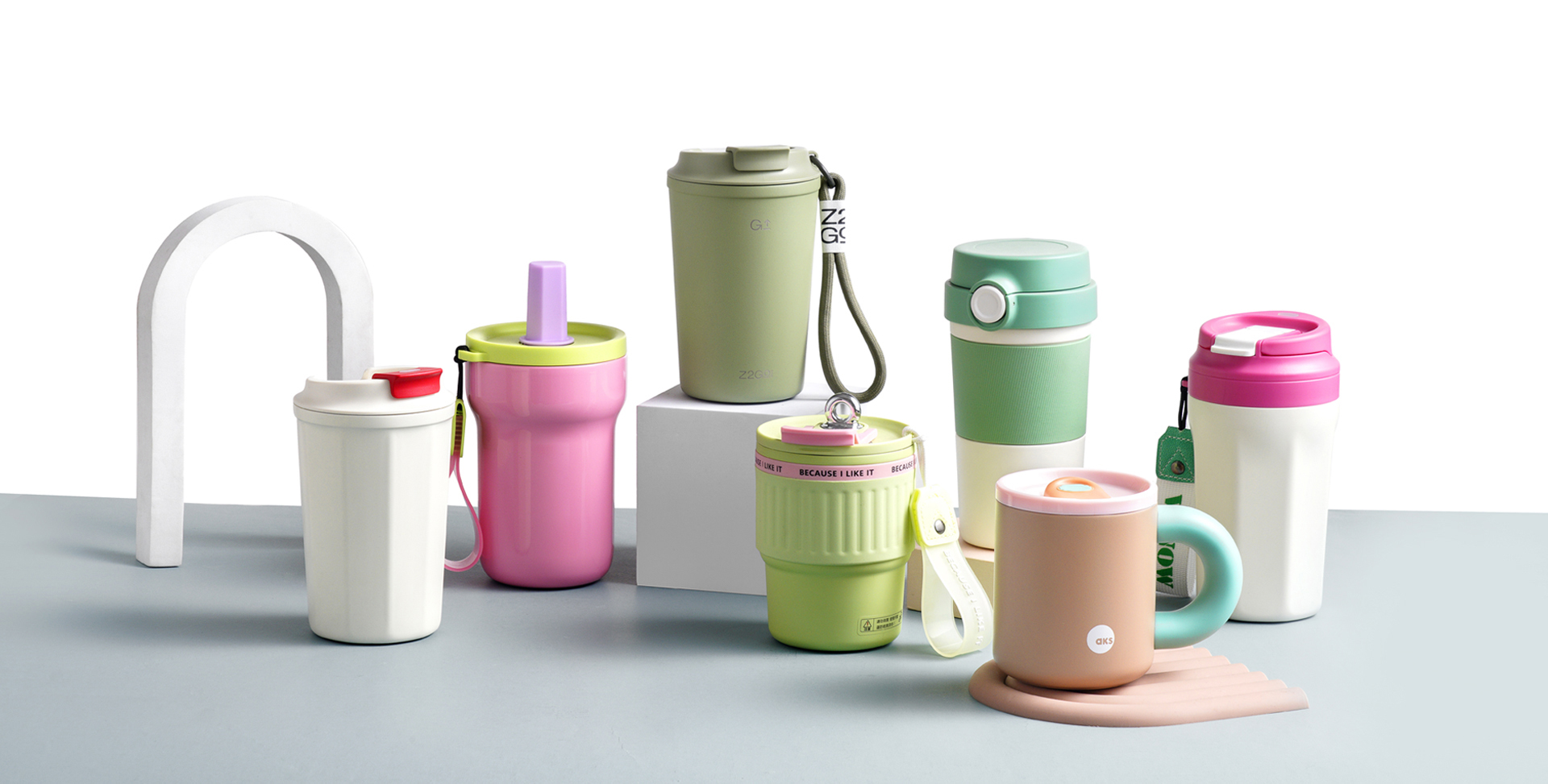
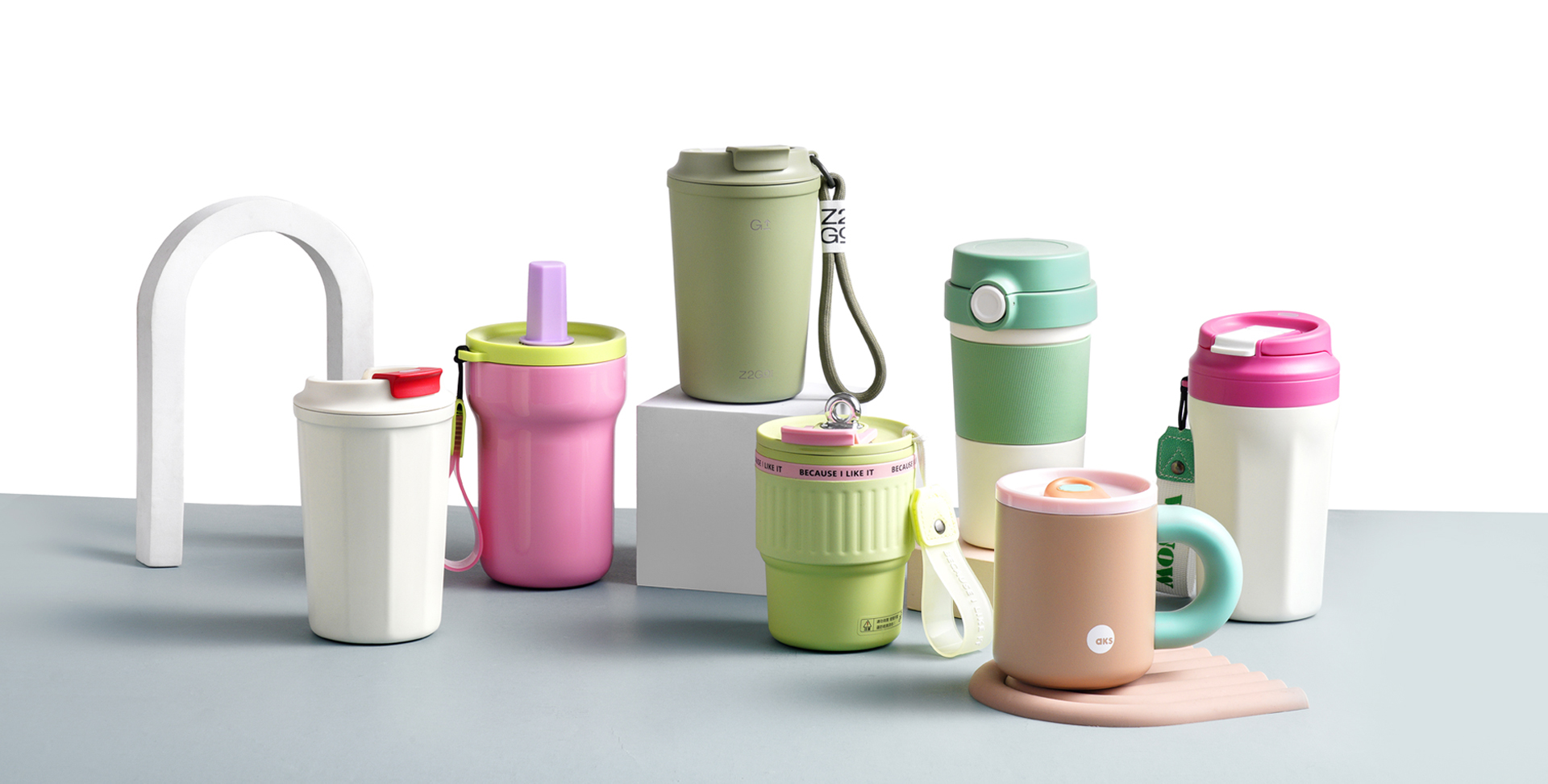
Modern consumers select vacuum mugs based on their daily routines rather than appearance alone. North American buyers often request larger capacity mugs with handles for road trips, commuting and office hydration, while European customers may prefer slim designs that fit standard vehicle cup holders. Before confirming bulk orders, buyers should clearly define their target users and usage environments. Mug structures that match daily habits, combined with anti-spill lid designs, can reduce consumer complaints and improve retail performance. Working with manufacturers to adjust product proportions according to regional preferences helps distributors create more suitable product selections.
Material Standards That Directly Affect Long-Term User Experience
Many buyers verify stainless steel grades during sample approval but overlook the importance of accessory materials. Key material considerations for bulk procurement include:
- Inner body: 18/8 food-grade stainless steel helps prevent metallic taste and supports daily beverage storage, including acidic drinks such as fruit tea.
- Silicone seals and lids: BPA-free materials support food contact requirements for markets including the US and Europe.
- Surface coating: Qualified powder coating improves resistance against peeling during frequent handling and cleaning.
Substandard lids and sealing components are common causes of customer complaints, even when vacuum insulation performance meets expectations. A reliable vacuum mug factory should provide material testing documents for components that directly contact beverages.
How Custom Branding Avoids Damaging Vacuum Performance
Logo printing and colour customization are common requirements for private label drinkware projects. However, certain deep engraving or heat-based decoration methods may affect the sealed vacuum structure if processing parameters are not properly controlled. Excessive heat during some printing processes can influence the double-wall construction and reduce insulation stability over time. Our technical team recommends confirming decoration methods during the sample stage. Proper temperature control and positioning adjustments help protect vacuum performance while achieving clear and durable branding effects for corporate gifts and retail products.
Understanding Vacuum Seal Quality Beyond Lab Sample Tests
A common sourcing issue occurs when samples pass initial thermal tests, but mass production shows inconsistent insulation performance after extended consumer use. This may happen when production processes are adjusted to reduce manufacturing time. Stable vacuum sealing depends on reliable welding processes and consistent quality inspection procedures. We conduct batch insulation checks before shipment to help ensure finished products maintain stable performance during transportation and daily usage.
Lid Functionality Determines Repeat Purchase Rate
Daily users often pay close attention to leakage prevention, cleaning convenience and lid durability. When selecting drinkware styles, buyers should consider detachable lid structures that allow easier cleaning. Flip lids, straw lids and slider lids are designed for different user groups: office users may prefer simple drinking mechanisms, while outdoor users often need stronger splash-resistant structures. Flexible lid options allow buyers to create product combinations for different markets without developing completely new tooling.
Preparing Compliance Documents to Prevent Customs Delays
Regulatory requirements for imported drinkware continue to receive attention across Europe, North America and Southeast Asia. Complete certification documents help reduce potential customs issues and marketplace approval challenges. Buyers should confirm that suppliers can provide relevant testing records covering food contact safety, coating materials and plastic accessories. Preparing compliance documentation early in the production process helps improve supply chain efficiency and reduces unexpected inventory risks.
Optimising Packaging for Last-Mile Retail and End Users
Improper packaging can cause scratches or appearance damage during international transportation, creating unnecessary product losses. Many distributors overlook the importance of packaging design during sourcing. We support customised inner packaging solutions and carton configurations based on shipping requirements, helping improve container loading efficiency. Sustainable packaging options also support brands that want to communicate environmental responsibility in retail markets.
From sample evaluation to bulk delivery, every production detail influences market feedback for wholesale vacuum mugs. As a professional vacuum mug factory, we continue improving manufacturing processes based on real consumer requirements and provide flexible OEM and ODM solutions for global buyers. Aligning product design, quality control and compliance requirements with your target market helps businesses develop stable drinkware product lines for long-term growth.