
 中文简体
中文简体 Español
For many daily users, owning a double wall vacuum mug or a set of insulated stainless steel tumblers begins with the comfort of knowing that hot coffee stays hot and iced drinks stay cold for hours. But a common question arises after months or even years of use: Does the insulation performance decline over time? Real‑world use and material science both suggest that yes, long‑term performance can change — and understanding why helps you take smarter care of your drinkware.
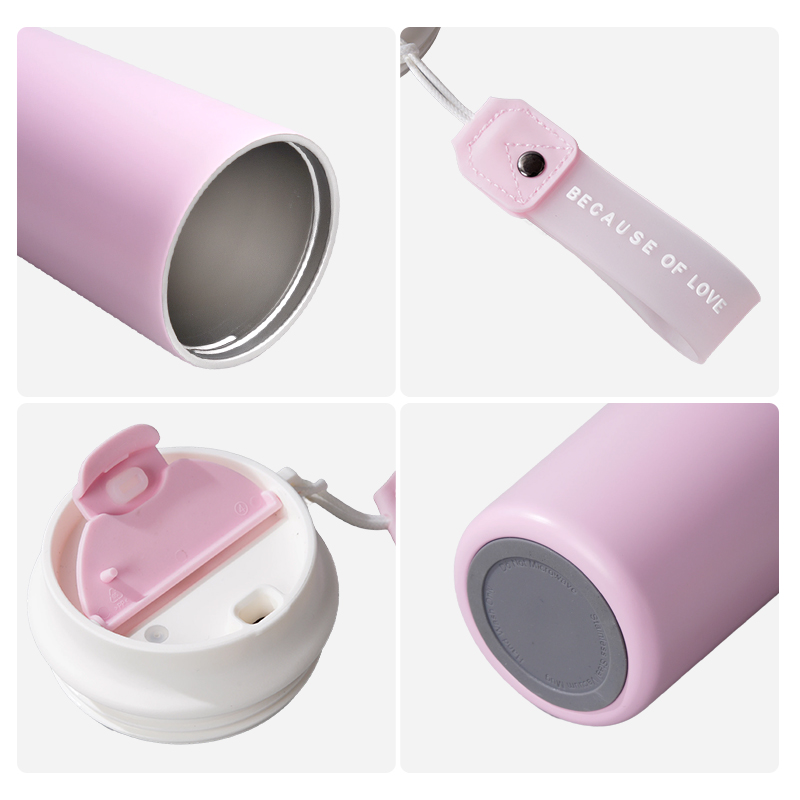
Vacuum insulation works by creating an air‑free space between two walls of stainless steel. This vacuum layer dramatically slows the transfer of heat by eliminating conduction and convection paths. While this technology is effective, it is not immune to degradation when subjected to real‑life conditions and wear.
1. Vacuum Layer Integrity and Physical Damage
One of the primary reasons insulation effectiveness can drop over time is physical damage to the vacuum space. If a tumbler is dropped hard enough to dent either the inner or outer walls, the vacuum layer may be compromised. Once the vacuum seal is breached even slightly, air can re‑enter the space, allowing heat to transfer more quickly between the interior and exterior. As a result, hot beverages cool down faster and cold drinks warm up sooner than before.
Cases like this are commonly shared by users, noting that a dented bottle might not retain temperature as it once did. Some reports from long‑term owners show that after a significant fall, they noticed ice melting quicker or hot coffee losing heat more rapidly, indicating compromised insulation.
2. Material Quality and Manufacturing Precision
An insulated stainless steel tumbler’s ability to maintain insulation longevity also depends heavily on the materials and manufacturing process used to build it. High‑quality 304 or 316 food‑grade stainless steel and precision vacuum sealing ensure that the vacuum layer stays intact and durable over extended periods.
Less rigorous production practices can cause microscopic imperfections in the vacuum seal or metal walls. Over time, these tiny defects might allow air to slowly infiltrate the vacuum space, gradually reducing the thermal barrier. The overall design and thickness of the steel walls also play a role; thicker walls with precise welding and vacuum sealing tend to preserve insulation performance for longer.
3. Usage Patterns and Environmental Stress
Daily use habits also impact how well a tumbler retains its insulation capabilities. Extreme temperature swings — such as frequently filling a tumbler with very hot liquids after it has been chilled — can cause repeated expansion and contraction of metal components. Over time, these stresses may weaken seals or create micro‑cracks within the walls, allowing insulation performance to degrade.
Additionally, environmental conditions like excessive humidity or storing the tumbler in hot or cold regions for extended periods can subtly undermine material integrity. Corrosion can slowly take a toll on the vacuum‑sealed space, affecting thermal efficiency.
4. Detecting Diminished Insulation Performance
So how can you tell if your tumbler’s insulation isn’t working as well as it used to? There are practical tests you can use:
Temperature check: Fill the tumbler with hot water and measure how long it stays warm compared to when it was new. An unexpected drop in performance often signals insulation loss.
Outer wall feel: If the exterior gets noticeably hot or cold when filled, it’s a sign heat is transferring more freely than it should — indicating potential vacuum failure.
Ice test: Fill the tumbler with ice and check how long it lasts at room temperature. Early melting can point to reduced insulation.
These simple evaluations help identify performance changes before they become major issues.
5. How to Extend Insulation Lifespan
While vacuum insulation does age, you can take steps to prolong its efficacy:
Handle with care: Avoid dropping your tumbler or subjecting it to heavy impacts that could dent the walls.
Store in stable conditions: Keep your tumblers away from harsh temperatures or humidity when not in use to reduce material stress.
Regular cleaning: Residue or buildup on inner surfaces won’t directly compromise the vacuum layer, but proper cleaning helps maintain overall performance and prevents uneven heat transfer.
These habits help preserve both insulation strength and user satisfaction over the long term.
For manufacturers like Zhejiang Eno Housewares Co., Ltd., focusing on quality materials and robust vacuum sealing processes is essential. Combined with proper user care, high‑quality tumblers can maintain their insulation strength far beyond typical expectations.